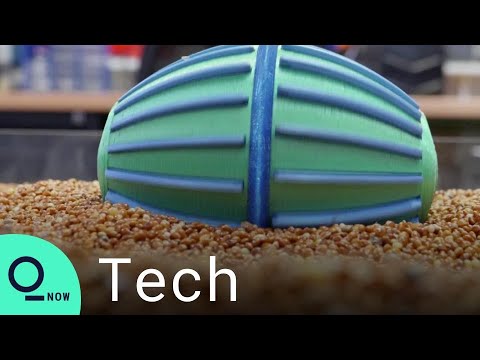

Crover Robot Saves Grain and Protects Farmers Burrowing Robot Protects Grain Silos from Spoilage Burrowing Grain Drones Tackle Food Spoilage Autonomous Grain Robots Tackle Storage Waste
Learn how the Crover grain robot burrows into silos to stop food waste, detect moisture, and protect farm workers from danger. The Crover drone burrows deep into grain silos to detect moisture, stop fungi, cut food waste, and keep warehouse workers safe. Explore how the Crover robotic drone penetrates grain silos to combat spoilage, detect dampness, and eradicate dangerous manual inspections. Discover how Crover’s autonomous burrowing robot navigates granular bulk crops to mitigate spoilage, detect fungal risks, and eliminate silo hazards.


The Surprising Truth About Dust Dust: Hidden Harm, Hidden Help Dust: From Allergens to Ancient Space Particles Dust: Micro‑Hazards, Macro‑Benefits, Cosmic Origins
Explore how dust can harm health, nurture rainforests, and even hold clues older than Earth. Learn how dust can trigger allergies, support rainforest growth, and contain space‑born ancient particles. Discover dust's dual role as a health hazard, an ecological booster, and a carrier of ancient extraterrestrial material. A deep dive into how dust impacts health, fuels rainforest productivity, and carries ancient extraterrestrial clues.
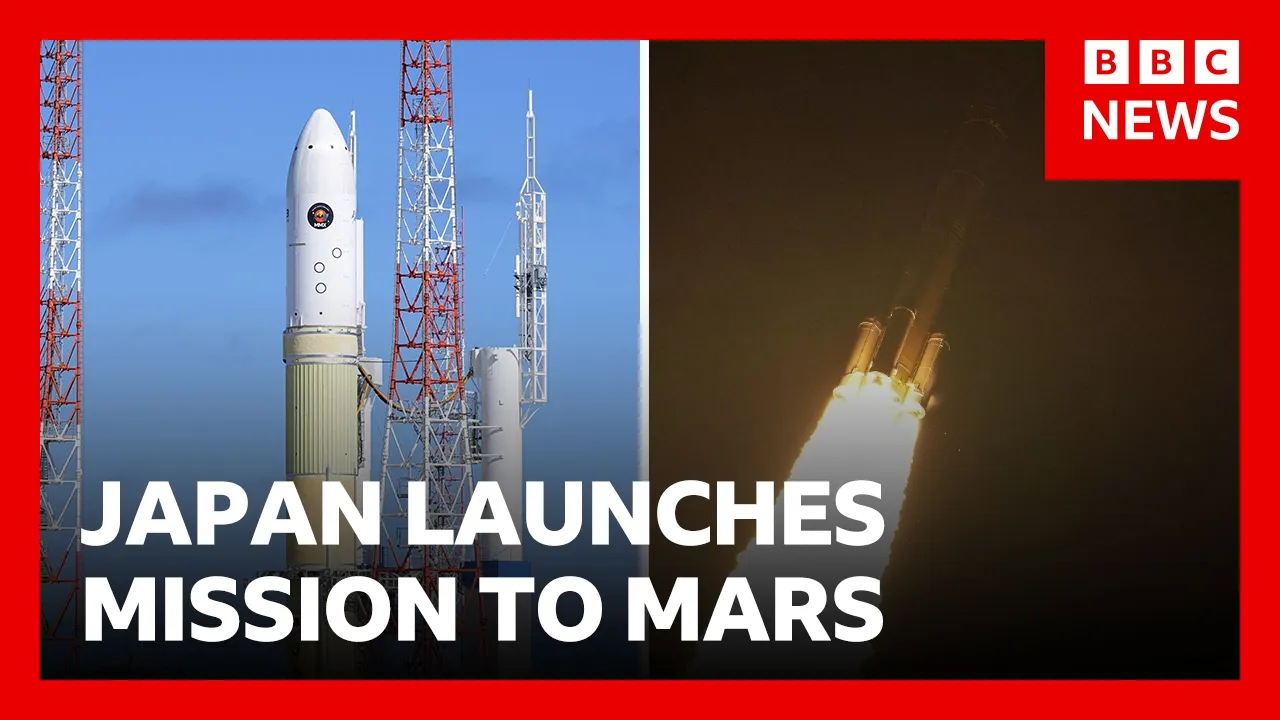

Japan's MMX Mission to Bring Back Phobos Dust MMX Mission Aims to Return Phobos Dust to Earth MMX Set to Retrieve Phobos Sample for Earth Study Japan's MMX Mission Targets Phobos Dust Return
Japan launched the MMX spacecraft to collect dust from Mars' moon Phobos and return it to Earth for analysis. Japan's MMX spacecraft will collect dust from Mars' moon Phobos and bring it back for analysis, seeking answers about moon formation. Japan's MMX spacecraft will collect dust from Mars' moon Phobos and return it, aiming to solve the mystery of the moons' origin. The MMX spacecraft aims to collect and return Phobos dust, seeking answers to the mystery of Mars' moons and advancing planetary science.

How Antidepressants Work in Your Brain The Science Behind Why Antidepressants Take Time How Antidepressants Rewire Neural Circuits Neurobiology of Antidepressants: Cellular Adaptation Explained
Learn how antidepressants slowly heal brain cells and help millions recover from depression over time. Discover how antidepressants rebuild brain connections over time rather than providing an instant emotional quick fix. Explore the biological mechanism of antidepressants and why neural plasticity requires weeks to repair damaged brain networks. An in-depth look at neurogenesis, synaptic reuptake, and the homeostatic adjustments that drive long-term psychiatric recovery.

How Stress Changes Your Brain and Mind How Stress Impacts Brain Function and Memory The Neuroscience of Stress and Cognitive Decline Neurological Shift: How Stress Alters Cognitive Systems
Learn how stress affects your focus, memory, and everyday habits in simple English. Discover the tipping point where stress stops helping you and begins to impair your brain and choices. Explore how acute and chronic stress alter prefrontal cortex function, memory, and emotional regulation. An in-depth analysis of neurological tipping points, executive compromise, and psychological resilience.
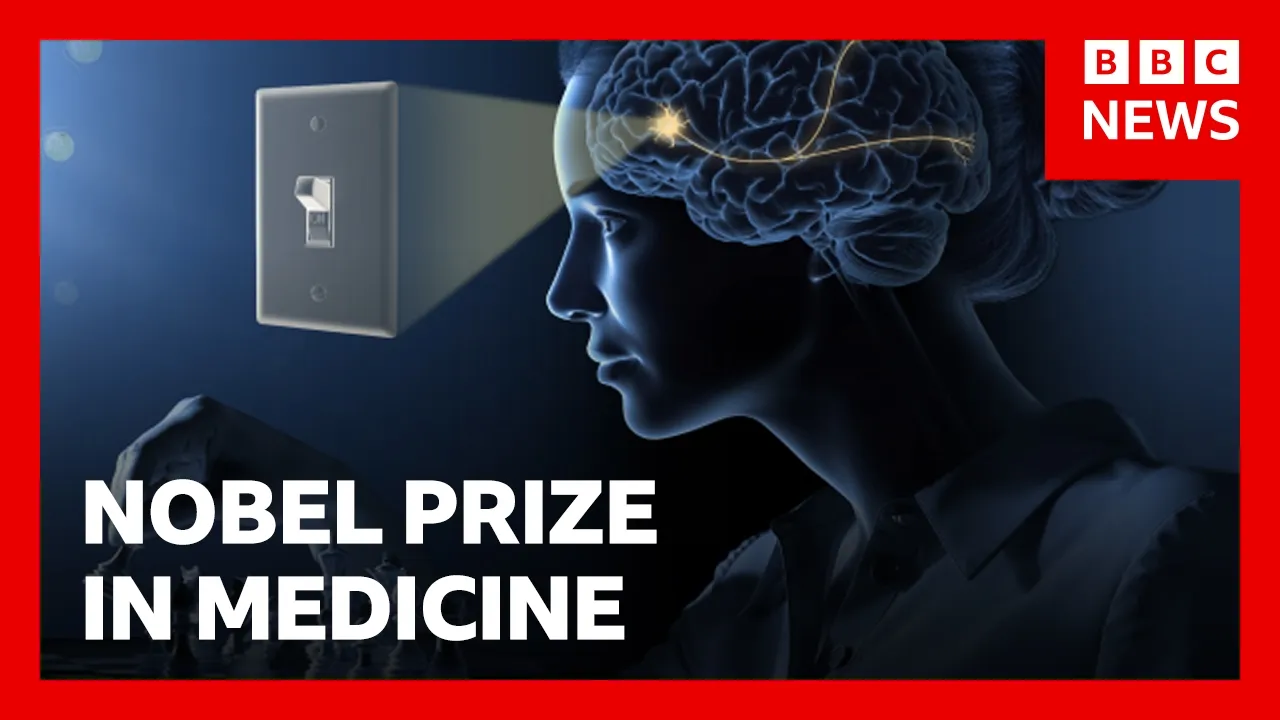
Nobel Prize Awarded for Brain Light Switch Discovery How Optogenetics Won the Nobel Prize in Medicine Optogenetics Pioneers Clinch Nobel Prize in Medicine Nobel Prize Awarded for Optogenetics Breakthrough
Three scientists win the Nobel Prize for optogenetics, a new way to control brain cells using light. Discover how Karl Deisseroth and his team used light to control neurons and won the Nobel Prize. Visionary scientists win the Nobel Prize for inventing optogenetics, illuminating the brain's complex pathways. Karl Deisseroth and colleagues receive the Nobel Prize for optogenetics, transforming how we study the brain.


Why You Hate Voice Recordings Voice Perception Sound Perception
Hate your voice Dislike your voice Discomfort with recordings Recorded voice discomfort
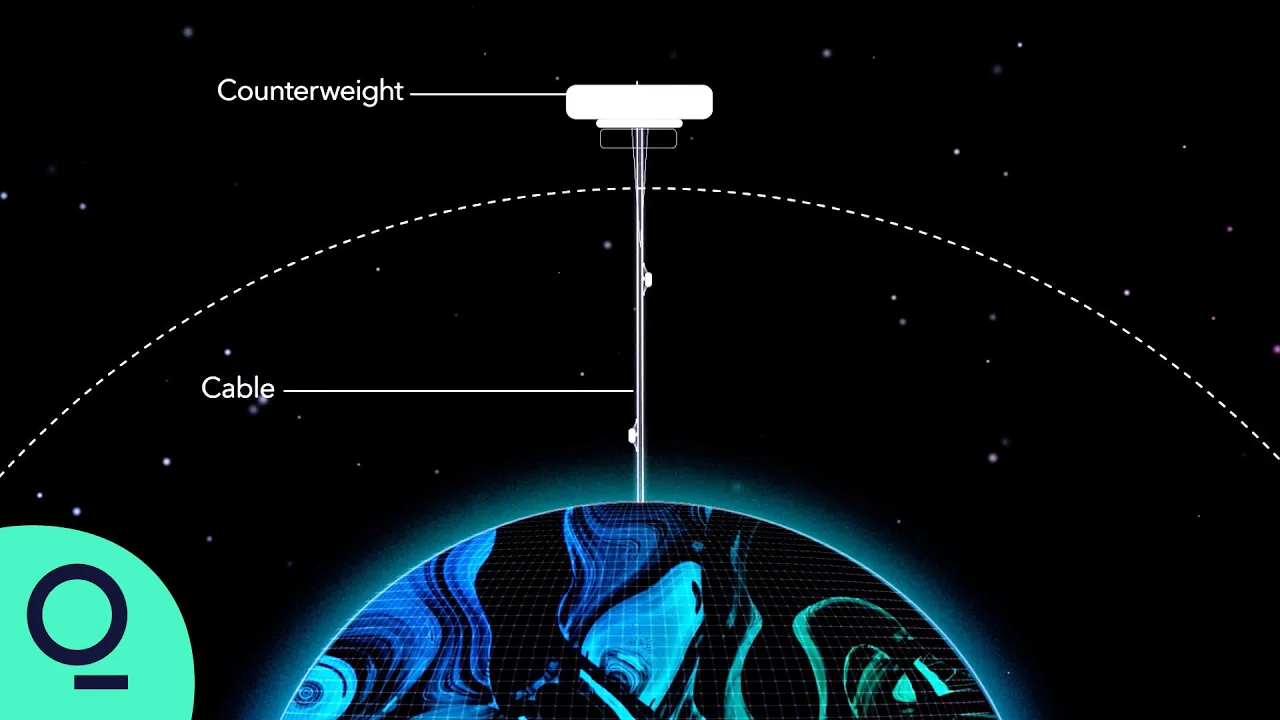

Space Elevator: Nearing Reality How a Space Elevator Could Work Space Elevator: Engineering the Future Space Elevator: From Dream to Engineering Reality
Simple overview of how a space elevator could work and why scientists think it may be built soon. Detailed look at the technology, benefits, and challenges of building a space elevator. In‑depth analysis of the science, economics, and hurdles of building a space elevator. Comprehensive exploration of the technical, economic, and geopolitical dimensions of building a space elevator.


Physics of Light The Physics of Light The Complex Behavior of Light The Complex Behavior of Light
Understand the strange behavior of light as it passes from one medium to another. Discover the fascinating world of light and its behavior in different mediums. Explore the fascinating world of light and its complex behavior in different mediums. Explore the fascinating world of light and its complex behavior in different mediums.

Waking Up as a Stranger: Eric's True Amnesia Story Man Rebuilds His Life After Losing His Past to Amnesia Waking Up as a Stranger: Rebuilding Identity After Amnesia The Man Who Lost His Past: Rebuilding After Total Amnesia
Discover how a man named Eric rebuilt his life from scratch after waking up one morning with complete memory loss. Eric lost his past overnight to amnesia and had to forge a fresh identity from scratch. Here is how he rebuilt his life. After sudden memory loss wiped his past, Eric chose to mourn his former self and construct an entirely new identity. When amnesia wiped his autobiographical past, Eric treated his lost identity as a death and authored a new self from scratch.
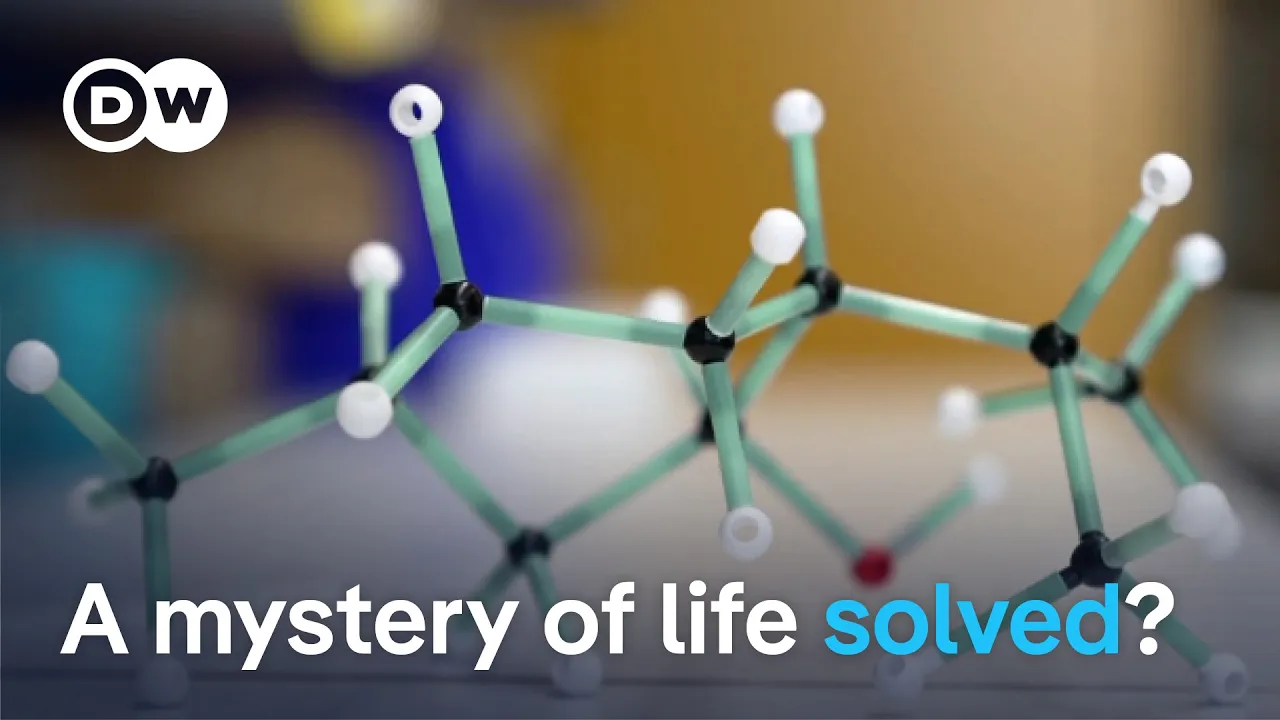

Why Mirror Molecules Win the Nobel Prize How Molecular Mirror Images Revolutionize Medicine Chemistry Nobel Explains Nature’s Chiral Mystery The Nobel Chemistry Triumph Behind Chiral Medicine
Learn how the latest Chemistry Nobel Prize solves a century-old mystery about mirror-image molecules and makes your medicines much safer. Discover how the Chemistry Nobel Prize on chiral molecules helps scientists create cleaner, safer pain relief and anesthesia for patients worldwide. Unpack the Nobel-winning discovery of molecular handedness and see how chiral chemistry is making modern pharmaceuticals cleaner and more effective. Explore how the Nobel-winning conquest of molecular handedness transforms pharmaceutical precision, drug efficacy, and patient safety worldwide.

Why Do We See a Spark When We Unplug an Appliance? The Science Behind Fast Charging: Electromagnetic Induction The Physics of Fast Charging: Electromagnetic Induction The Physics of Electromagnetic Induction in Fast Charging Technology
Learn about electromagnetic induction and how it's used in fast chargers to make smooth electricity for our phones and laptops. Learn about the phenomenon of electromagnetic induction and how it's used in fast charging technology to make smooth electricity for our devices. Learn about the physics behind fast charging technology and how it uses electromagnetic induction to create smooth electricity for our devices. Learn about the physics behind fast charging technology and how it uses electromagnetic induction to create efficient and compact chargers.