
The concept of a space elevator has moved from science‑fiction to serious engineering discussion. Researchers now argue that advances in material science bring the idea within reach, sparking excitement across the tech community.
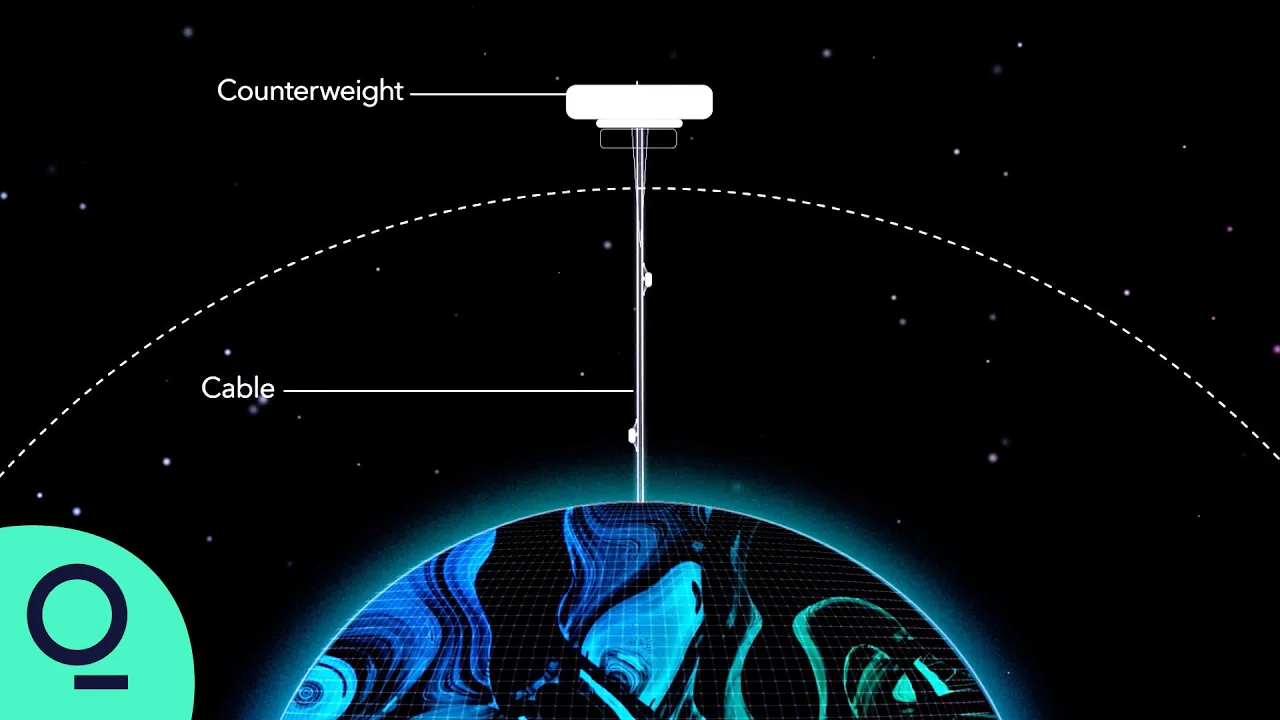
At its core, the system relies on a super‑strong tether made from carbon nanotube composites. This cable would extend from a ground station up to an orbital platform positioned at geostationary height, roughly 35,786 kilometers above Earth. A massive counterweight placed beyond this point would keep the tether under tension, counteracting the pull of gravity. Small propulsion units attached to climbers could lift cargo and passengers along the line, offering a low‑cost alternative to traditional launch rockets. Engineers evaluate the feasibility by testing tensile strength, vibration damping, and weather resilience. If the required infrastructure can be built, the elevator could slash launch expenses by up to 90 percent, opening space to more businesses and researchers. Many view it as a potential breakthrough that would reshape satellite deployment, lunar missions, and even tourism.
Nevertheless, significant hurdles remain. The production of kilometer‑long, defect‑free carbon nanotube fibers is still experimental. Funding such a massive project would demand international cooperation and long‑term commitment. Safety protocols for debris impact and emergency evacuation are also under development. Should these challenges be overcome, the space elevator could become a cornerstone of future space exploration.