
For decades, the space elevator has hovered between speculative theory and plausible engineering. Recent breakthroughs in nanomaterials have reignited debate, prompting policymakers and investors to reconsider its viability.
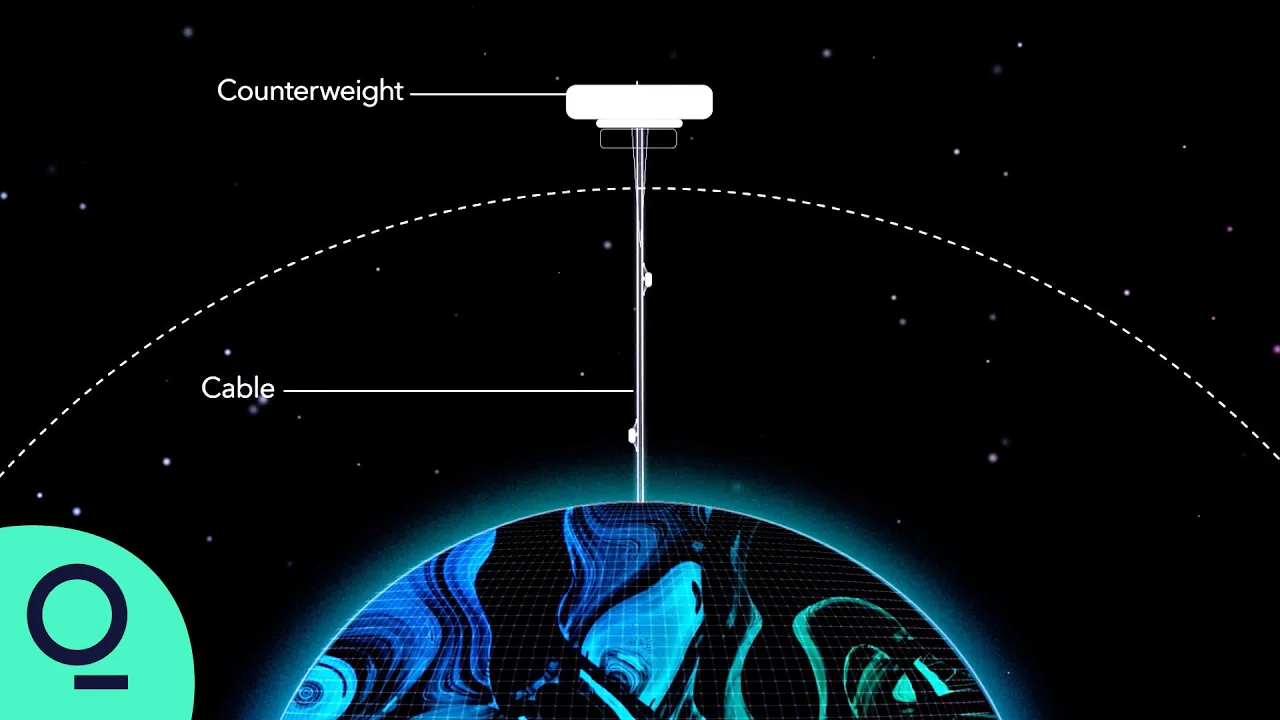
The design hinges on an ultra‑light yet ultra‑strong tether fabricated from carbon nanotube arrays, whose tensile strength far exceeds that of steel. This cable would ascend from a terrestrial anchor to an orbital station at geostationary orbit, where a massive counterweight—potentially a repurposed asteroid—maintains tension against Earth’s gravity. Ascending propulsion modules, powered by laser beaming or electromagnetic tracks, would ferry payloads upward, dramatically reducing the cost per launch. Analysts scrutinize the feasibility by modeling dynamic loads, thermal expansion, and micrometeoroid impacts. If the requisite infrastructure can be assembled, the system promises a paradigm shift: satellite constellations could be refreshed weekly, lunar cargo could be pre‑positioned, and space tourism might become routine. Many herald it as the next great breakthrough in humanity’s quest to become a multiplanetary species.
Yet the path forward is strewn with formidable obstacles. Scaling carbon‑nanotube production to tens of thousands of kilometers without defects remains unproven. The capital outlay would dwarf most current space programs, demanding multinational financing and governance. Moreover, safety frameworks for catastrophic tether failure or orbital debris collisions are still embryonic. Overcoming these challenges will determine whether the space elevator transitions from visionary concept to operational reality.