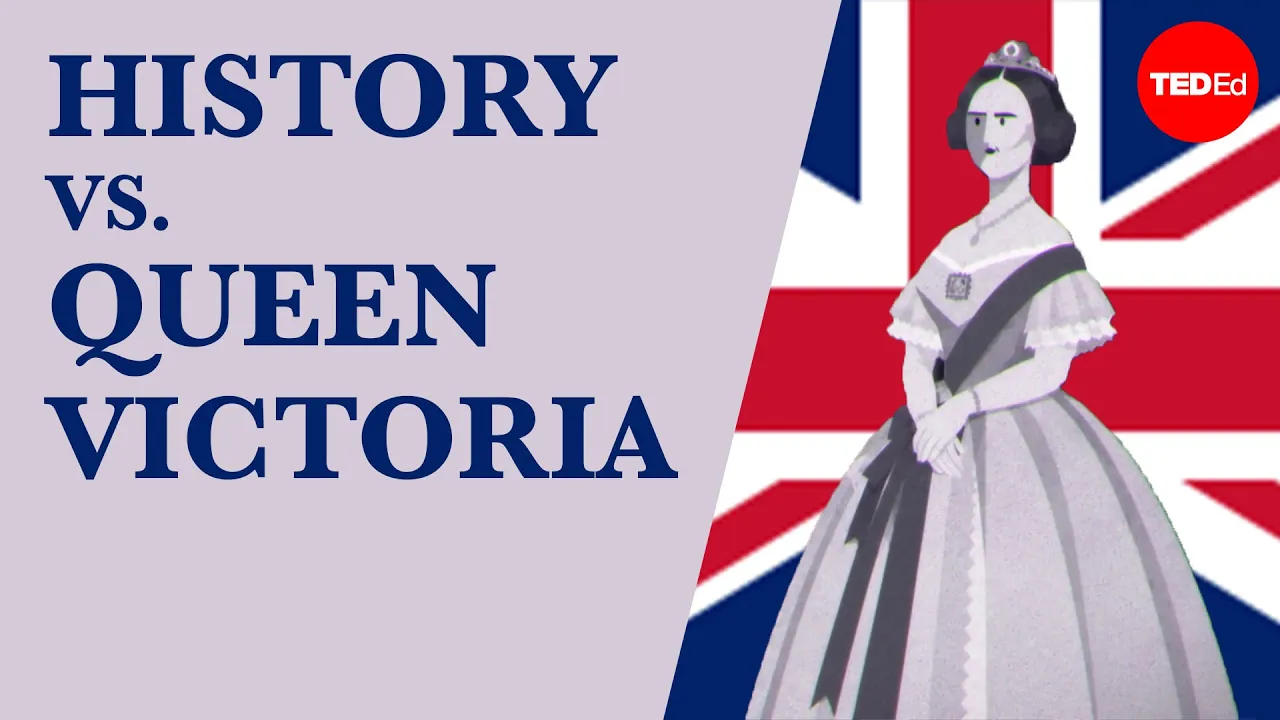

History rarely accommodates clean moral binaries, and few sovereigns embody this friction as starkly as Queen Victoria. Revered by contemporaries as the personification of civic rectitude, she presided over a transformative epoch whose imperial hubris left lasting scars across the globe.
Victoria’s ascension fundamentally re-engineered the British crown, transforming an eccentric institution into a disciplined emblem of middle-class respectability. Yet beneath this meticulous veneer lay systemic brutality that defined Victorian imperialism. The British state systematically dispossessed colonial populations under the guise of an ideological hegemony that framed conquest as civilizing progress. When famine gripped Ireland, the imperial administration adhered strictly to laissez-faire economic orthodoxy, facilitating starvation through ideological indifference rather than mitigating the disaster. In South Asia, the bloody aftermath of the 1857 rebellion led directly to Victoria being crowned Empress of India, institutionalizing direct rule while extracting immense material wealth. While apologists celebrate her paternalism and constitutional impartiality, Victoria was intensely protective of the prerogative of the throne, consistently maneuvering behind closed doors to influence foreign affairs and sustain Britain's martial posture. Her celebrated self-restraint stood in grotesque contrast to the economic destitution experienced across colonial territories, casting doubt on the genuine scope of her royal benevolence. The empire’s triumphalist narrative erased the structural violence required to feed London’s burgeoning wealth.
Deconstructing Victoria’s legacy requires confronting how performative moral virtue can legitimize ruthless geopolitical dominance. Her long reign proved that an imperial symbol can command worldwide reverence while presiding over widespread human catastrophe.