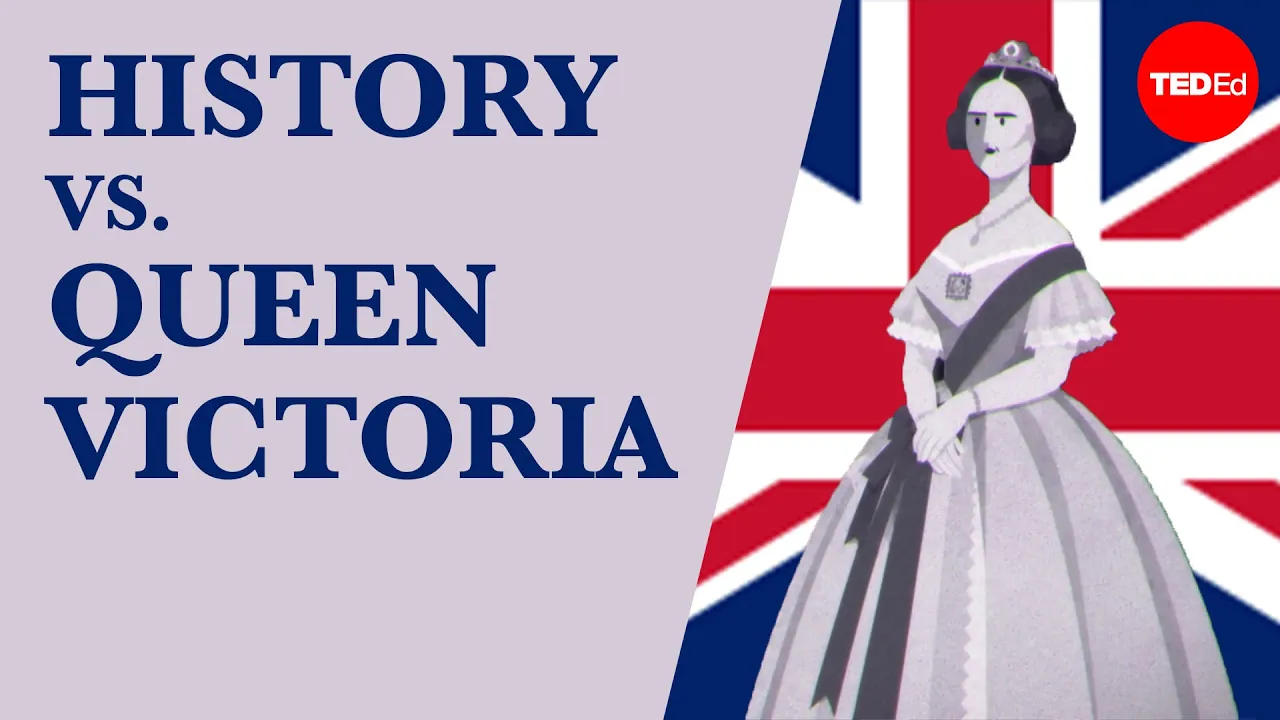

Have you ever heard of Queen Victoria? She was a famous monarch who ruled Britain for sixty-three years. Her long reign shaped an entire time in history that people still call the Victorian era. When you picture her today, you probably imagine a stern queen dressed in black who stood for good morality and family life.
During her time on the throne, Britain grew into a huge worldwide empire. Many factories opened, trains connected distant towns, and cities expanded very fast. Victoria worked hard to look like a wise leader who showed restraint in her daily actions. She wanted ordinary citizens to respect the royal family. However, life was not easy for everyone under her rule. While rich people enjoyed new inventions and wealth, millions of poor workers struggled in dangerous coal mines and dirty workshops. Across the sea, her overseas subjects in places like India and Ireland suffered through terrible hunger and poverty. Some historians point out that the queen cared deeply about her royal reputation instead of solving these crises. She loved the grand titles given to her, like Empress of India, while many families had no bread. This sharp contrast makes her a very controversial figure today. People still argue about whether she truly protected her people or simply protected her own crown.
Looking back at her life helps us understand how a modern ruler can hold great power yet fail to help the weakest people. History always asks us to judge leaders by their actions, not just their glory.