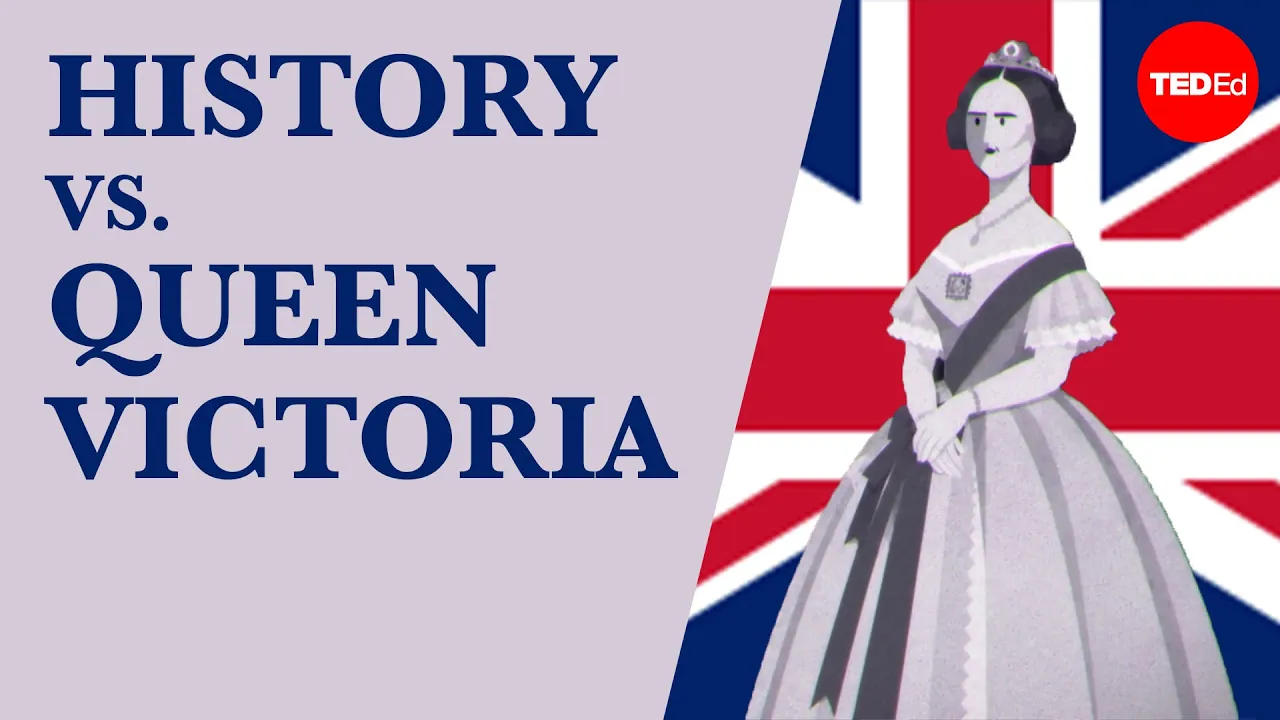

When you think of the Victorian era, images of strict manners, industrial smokestacks, and a solemn queen usually come to mind. Queen Victoria governed the British Empire for over six decades, presenting herself as the nation’s steady moral compass. Yet behind the polished portraits lies a complex history filled with debate about who really paid the price for Britain's imperial power.
Victoria ascended the British throne at just eighteen years old, stepping into a world moving at breakneck speed. Steam engines transformed travel, factories remade cities, and British soldiers seized lands across the globe. Victoria and her husband, Prince Albert, deliberately cultivated an image of domestic peace and personal piety to rebuild trust in a monarchy previously stained by royal scandal. But look beyond Buckingham Palace, and the picture changes dramatically. Her vast realm expanded rapidly through military conquest, drawing immense wealth from colonies while local populations faced oppression. During the devastating Irish potato famine, critics noted that British relief policies were painfully inadequate, leaving over a million people to starve while food exports continued. In India, after the Crown established direct rule in 1858, Queen Victoria accepted the grand title of Empress, celebrating imperial expansion while local uprisings were crushed with brutal force. While she occasionally expressed sympathy in personal letters, she rarely used her political influence to stop aggressive government policies abroad. Her dedication to upholding royal prestige meant that political image often overshadowed genuine imperial accountability.
Understanding Victoria's complicated legacy forces us to separate royal branding from historical reality. While her era came to define British industrial prowess, it also left deep colonial wounds that communities around the world are still trying to reconcile.