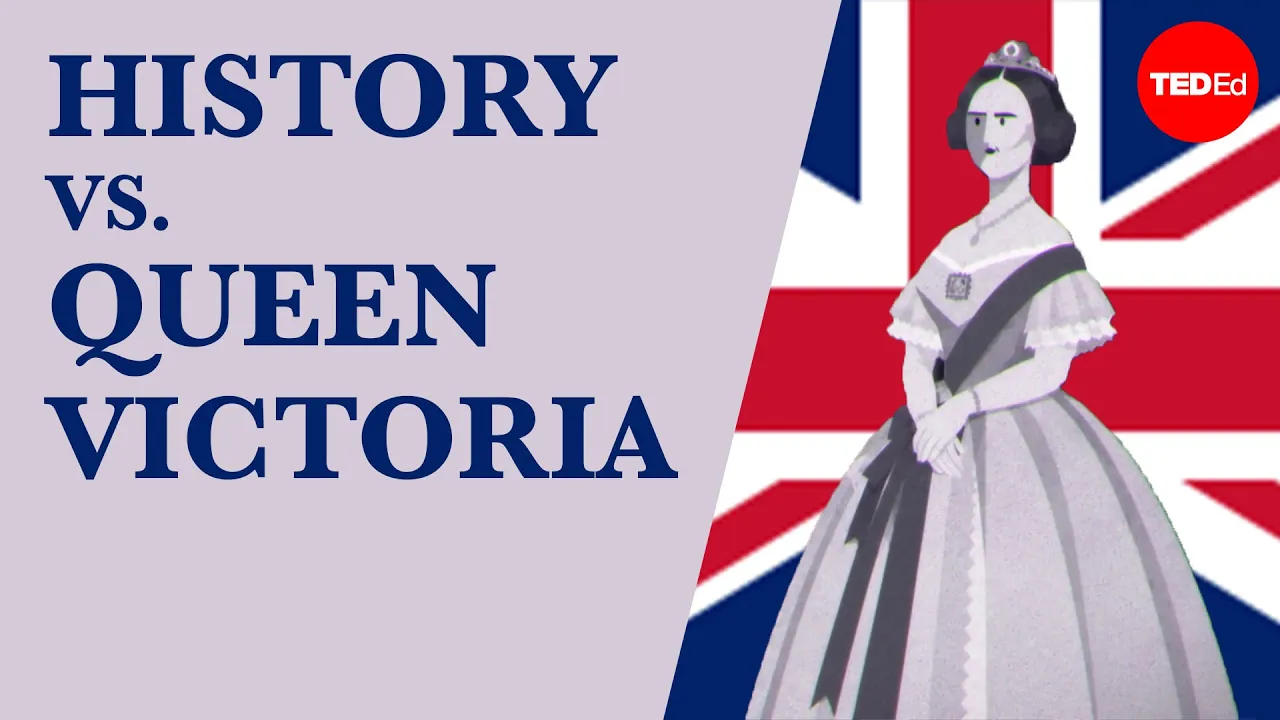

Queen Victoria occupies a paradoxical place in modern memory. For sixty-three years, her solemn public image stood as an imperial bastion of domestic virtue, yet modern scholars increasingly scrutinize the human cost behind Britain's nineteenth-century industrial ascendancy.
Ascending to power in 1837, Victoria inherited a monarchy tarnished by the excesses of her predecessors. Together with Prince Albert, she orchestrated an acute public relations strategy that emphasized modesty, duty, and bourgeois respectability. However, this outward decorum masked severe political fractures across her sprawling empire. As British commerce and military forces enforced colonial subjugation, the Crown enriched itself while indigenous populations endured devastating neglect. During the catastrophic Great Famine in Ireland, imperial relief measures proved callous and ideological, leaving millions displaced or dead while grain ships sailed freely from Irish ports. Across the Indian subcontinent, direct royal governance brought high-minded proclamations of fairness, yet British administrative policies ruthlessly subordinated local economies to imperial interests. Victoria reveled in the pomp of imperial titles and displayed an intense preoccupation with royal sovereignty, often preferring court etiquette to confronting the desperate plight of colonized populations. While British domestic policy made modest concessions to working-class labor, colonial governance remained characterized by coercive exploitation and systemic racism. This jarring dichotomy between regal virtue and imperial brutality dismantled the myth of the benevolent monarch.
Ultimately, Victoria’s reign highlights how easily moral pageantry can obscure geopolitical violence. Far from being a detached cultural figurehead, she actively protected the prestige of an imperial system that prioritized national prestige over basic humanity.