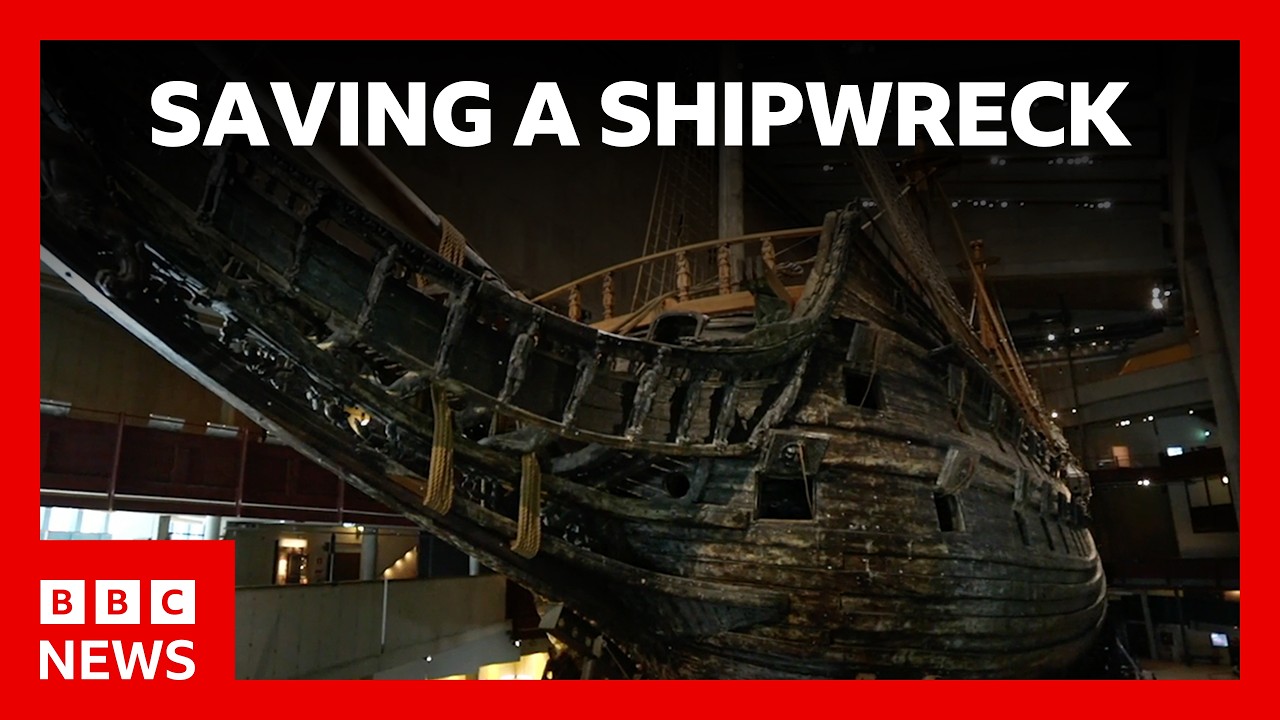

The Vasa, a 17th-century warship, is a paradigmatic example of the complexities and challenges inherent in preservation and restoration efforts. Commissioned by King Gustaf II of Sweden, the ship was designed to exemplify the nation's power and wealth, with a unique structure featuring two gun decks. However, the ship's maiden voyage was precipitously cut short when a strong gust of wind caused it to sink to the bottom of the sea, thereby initiating a protracted and intricate restoration process.
The Vasa's rediscovery in the 1950s marked the beginning of a multifaceted and challenging conservation effort, which involved the use of traditional techniques and modern technology to reconstruct the ship. The result is a ship that is 98% original, with only a few pieces missing, thereby rendering it a testament to the efficacy of preservation and restoration efforts. The Vasa is now housed in a museum in Stockholm, where it is considered a national treasure, and its legacy continues to captivate historians and visitors alike. However, the ship is facing new challenges, including the deterioration of its wooden framework and the effects of gravity on its structure, which necessitate the implementation of a comprehensive preservation plan.
The Vasa's digital preservation is a crucial aspect of the conservation effort, as it enables the creation of a highly detailed 3D model of the ship, which can be used to monitor the ship's condition and stabilize its structure. The use of photogrammetry software and sensors will also facilitate the restoration process, by providing a precise and accurate representation of the ship's framework and structure. The Vasa's anniversary is a significant event, and the restoration of the ship is a testament to the importance of preservation and conservation efforts, which are essential for safeguarding the ship's legacy and ensuring its continued relevance in the modern era.