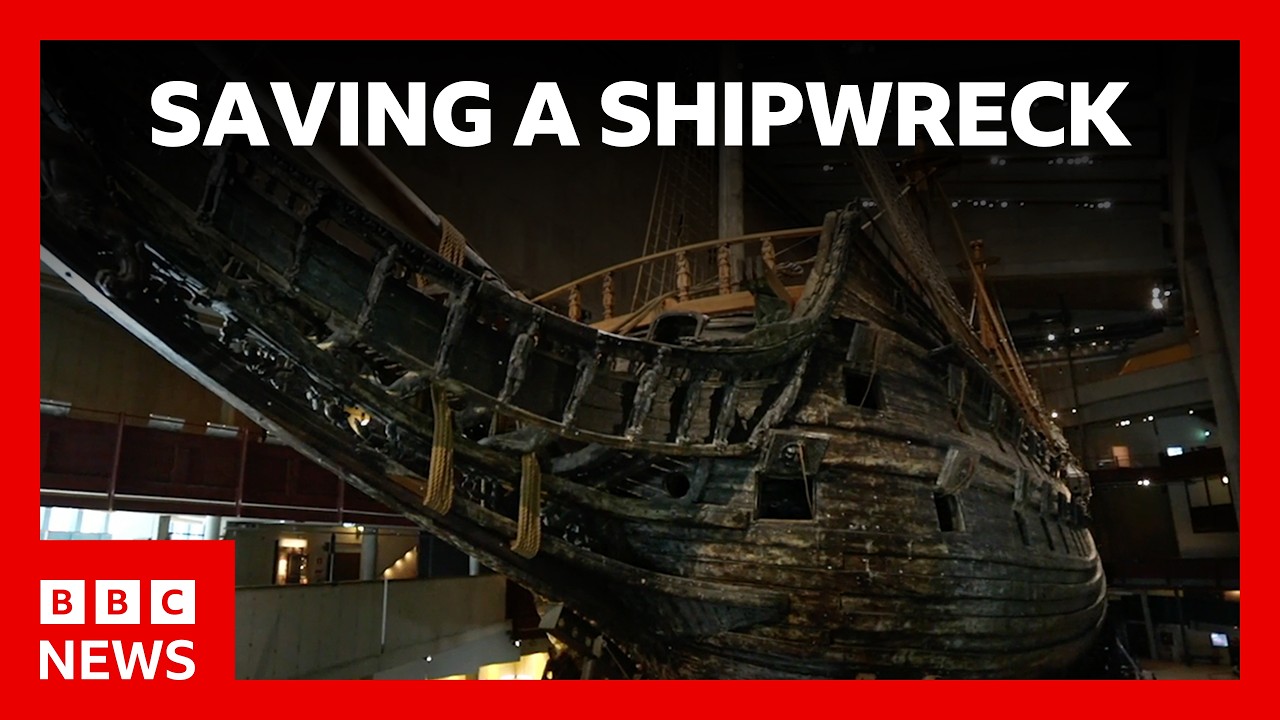

The Vasa, a 17th-century warship, is an exemplary model of preservation and restoration. Commissioned by King Gustaf II of Sweden, the ship was designed to showcase the nation's power and wealth. Its unique structure, featuring two gun decks, was a testament to the ingenuity of its creators. However, the ship's maiden voyage was cut short when a strong gust of wind caused it to sink to the bottom of the sea.
The Vasa's rediscovery in the 1950s marked the beginning of a complex and challenging restoration process. Marine archaeologists worked tirelessly to reconstruct the ship, using a combination of traditional techniques and modern technology. The result is a ship that is 98% original, with only a few pieces missing. The Vasa is now housed in a museum in Stockholm, where it is considered a national treasure. However, the ship is facing new challenges, including the deterioration of its wooden framework and the effects of gravity on its structure. To address these issues, a comprehensive preservation plan has been put in place, involving the creation of a 3D model of the ship, the construction of a new support structure, and the use of photogrammetry software to capture every detail of the ship.
The Vasa's digital preservation is a crucial aspect of the conservation effort. By creating a highly detailed 3D model of the ship, historians and visitors will be able to explore the vessel in unprecedented detail. The project is a complex one, requiring careful planning and execution. However, the end result will be worth it, as the Vasa will be preserved for generations to come, and its legacy will live on. The use of monitoring systems and sensors will also help to stabilize the ship and prevent further deterioration. The Vasa's anniversary is a significant event, and the restoration of the ship is a testament to the importance of preservation and conservation efforts.