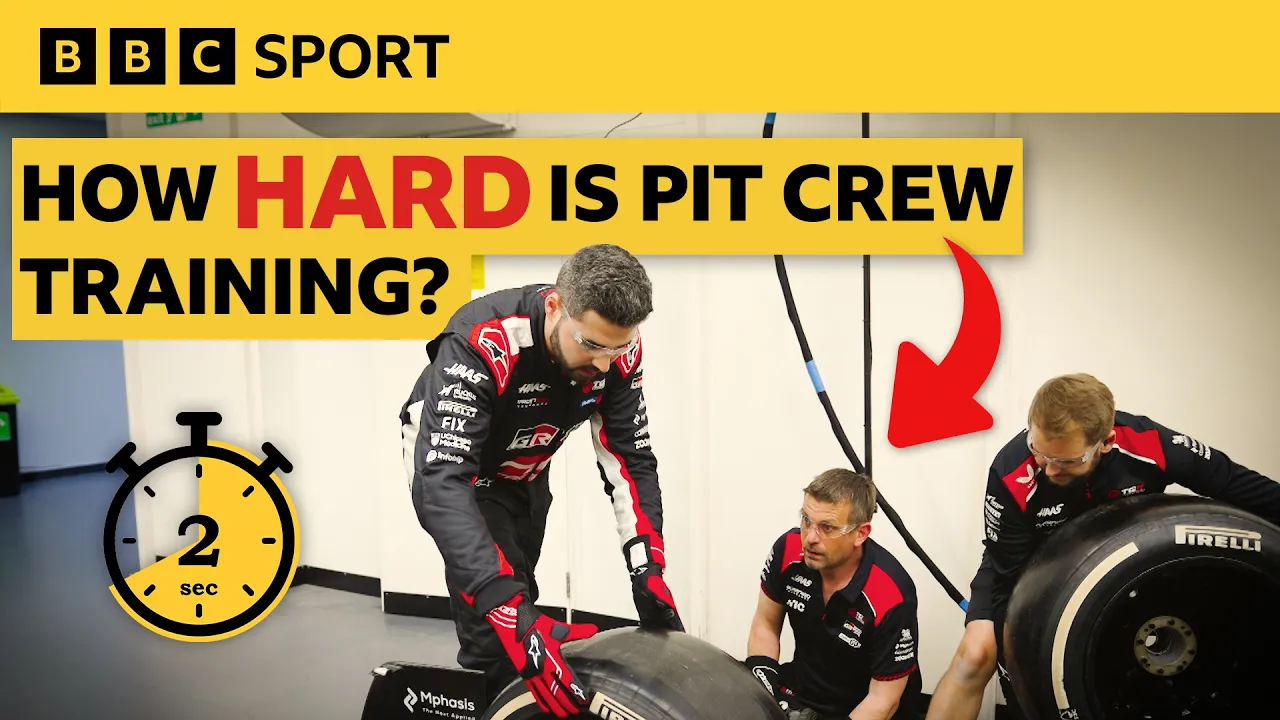

High-octane motorsport often obscures the visceral reality of pit lane operations, where human reflexes are pushed to their absolute biological limits. When broadcast journalist Harry Benjamin embedded himself within the Haas F1 pit crew, he stepped directly into a hyper-pressurized world where split-second mistakes ripple across championship standings.
Formula 1 pit stops represent a flawlessly orchestrated display of human movement, consistently achieving sub-two-second wheel changes amid the deafening roar of high-performance engines. Harry exchanged his microphone for protective fireproof gear to run the grueling gauntlet of wheel changing firsthand. Participating directly in this frenetic ballet highlighted the surprisingly strenuous physical labor required to perform under extreme pressure. Operating a high-torque air wrench requires pin-point control while kneeling mere centimeters from an approaching carbon-fiber nose. The margin for error is nonexistent, as any loss of balance or misaligned tool threatens both worker safety and lap times. Achieving total synchronicity among twenty specialized crew members demands thousands of repetitive muscle-memory drills across a grueling race season. Any momentary human ineptitude instantly ruins a race, leaving no room for anyone harboring doubts about their physical capability.
Beyond the glamour of global commentary lies a unforgiving discipline rooted in split-second mechanics. Harry's immersive experience proves that behind every podium finish is a team performing under terrifyingly tight operational constraints.