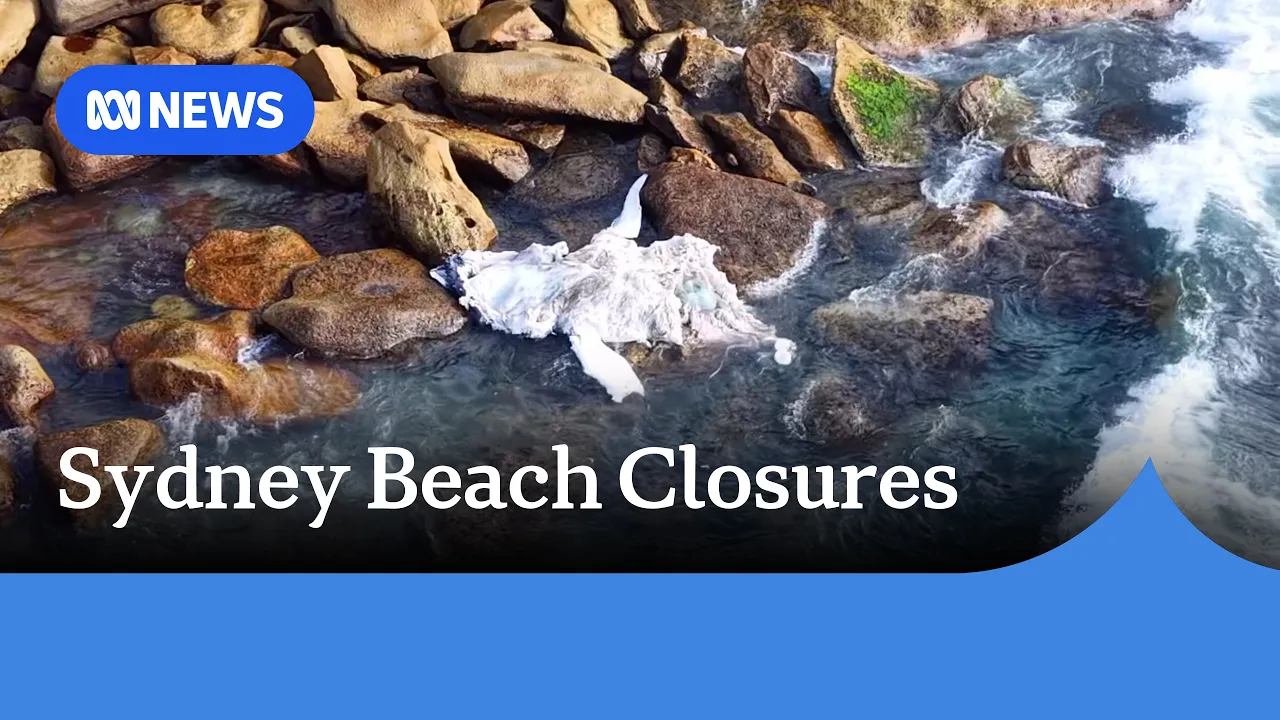

If you had planned an early morning swim along Sydney’s iconic eastern seaboard, you will find red flags and police tape barring entry instead. Maritime authorities order the immediate closure of Coogee and Maroubra beaches following the sudden beaching of a juvenile whale carcass on a rocky shelf. The incident has halted routine coastal activity as municipal teams coordinate a high-stakes, hazardous recovery effort.
Extracting a multi-ton decaying marine mammal perched on a precarious wave-swept outcrop poses extreme logistical hurdles. Emergency responders confront an unrelenting ocean swell that continuously pummels the jagged terrain, making foot access incredibly perilous for ground crews. Further complicating matters, the rapidly degrading state of the carcass compromises structural integrity, frustrating attempts to attach secure towing lines from offshore vessels. Urban coastal managers face additional pressure due to the inevitable arrival of apex marine scavenger species. Fluids dispersing into the littoral zone naturally draw open-ocean predators near public shores, turning pristine surf breaks into high-risk feeding zones. Environmental officers must weigh delicate ecological considerations alongside immediate public safety priorities, deciding whether to drag the remains out to open ocean or execute a labor-intensive landward extraction using specialized equipment. Every minute the carcass lingers near the headland amplifies potential hazards for local maritime wildlife and beachgoers alike.
For the time being, beachgoers are advised to respect all perimeter restrictions and monitor local council updates. Operations will resume at low tide under the supervision of environmental specialists and emergency crews.