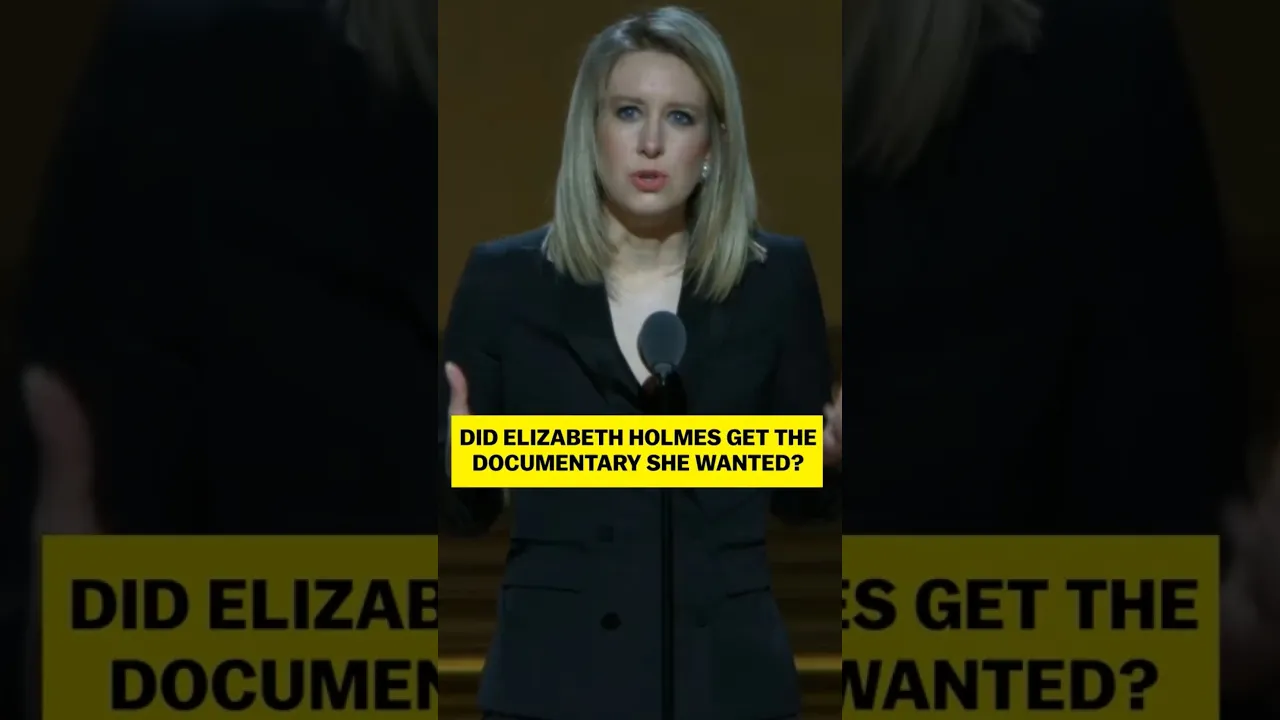

Confronted with the inevitability of incarceration, Elizabeth Holmes approached A24, seeking to commission a documentary that could recast the prevailing narrative surrounding her and Theranos. Her underlying motive was not merely financial redemption but the reclamation of a personal mythos that had been fractured by relentless scrutiny.
Through a rare grant of access, Nathan Fielder and Lance Oppenheim entered Holmes’s orbit in the fleeting days before she entered a federal prison. Their resulting work, “You Can See Everything,” aspires to lay bare every facet of her saga. The film’s opening weekend produced an unprecedented debut, amassing $15 million and commandeering the box office in a manner that industry observers labeled shocking for a nonfiction venture. The crafted narrative interlaces her visionary aspirations, the seductive allure of a purportedly disruptive health‑tech platform, and the ensuing legal tempest that culminated in her downfall. It also interrogates her legacy, questioning whether she will be memorialized as a pioneer whose ambition outpaced reality or as a cautionary exemplar of ethical overreach. The pervasive controversy that still surrounds Theranos serves as both backdrop and catalyst, compelling the discerning audience to navigate a labyrinth of truth, embellishment, and mythmaking.
Despite the commercial triumph and the platform it provides, the essential question persists: did the documentary grant Holmes the agency she coveted over her own story? While some viewers perceive a subtle reshaping of her legacy, the entrenched controversy suggests that any attempt at narrative control remains contested.