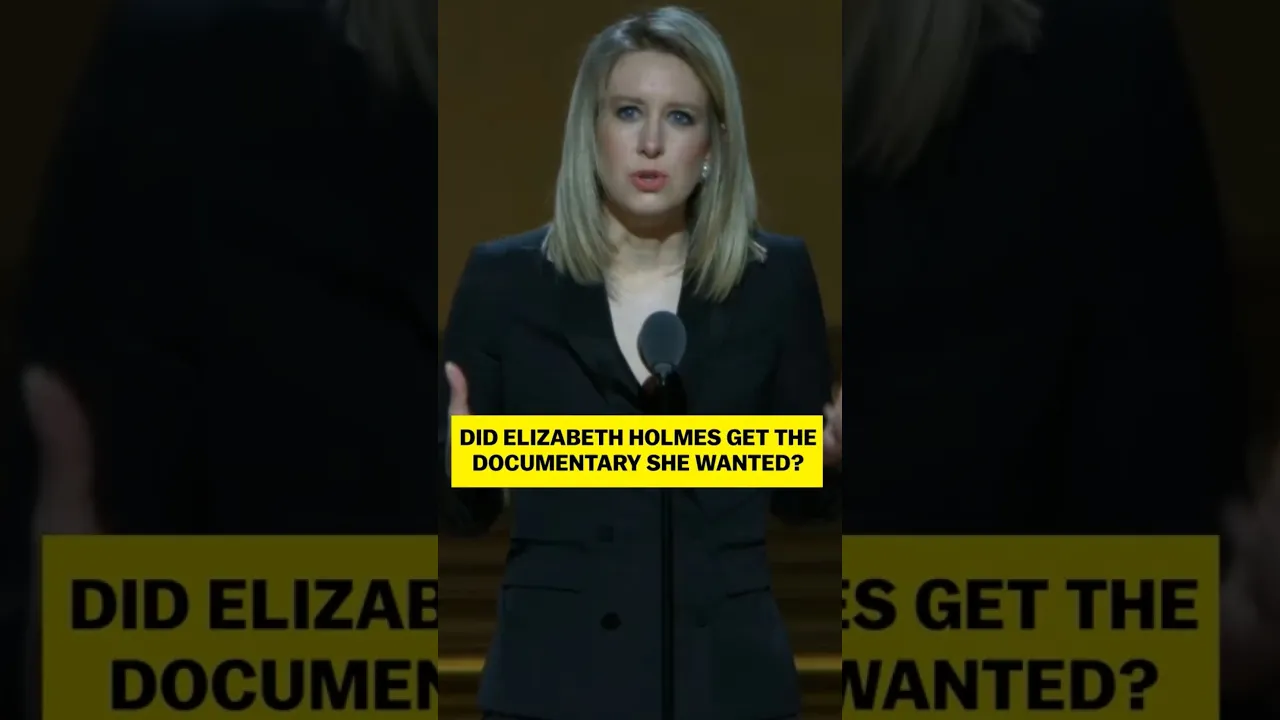

When Elizabeth Holmes faced the prospect of incarceration, she turned to A24 with a proposition: produce a documentary that would let her articulate the narrative she felt had been eclipsed by scandal. Her ambition was to reframe the public discourse and perhaps soften the harsh judgments that had accumulated.
Filmmakers Nathan Fielder and Lance Oppenheim secured unprecedented access to Holmes in the narrow window before she reported to prison. Their collaboration yielded “You Can See Everything,” a title that suggests total openness. The film’s opening weekend produced a staggering debut, raking $15 million and dominating the box office for nonfiction cinema—a result many critics described as shocking given the genre’s typical modest returns. Within its frames, the narrative oscillates between Holmes’s meteoric ascent, the seductive promise of a revolutionary blood‑testing technology, and the subsequent legal maelstrom. It also interrogates her legacy, probing whether she will be enshrined as a visionary who overreached or condemned as a cautionary emblem of hubris. The pervasive controversy surrounding Theranos fuels the film’s tension, compelling the audience to grapple with the blurred lines between ambition and deception.
While the box‑office triumph signals widespread curiosity, the deeper query remains: did the documentary fulfill Holmes’s desire to steer her own story? Some argue the platform grants her a measure of agency over her legacy, yet others contend that the lingering controversy ensures the narrative remains contested.