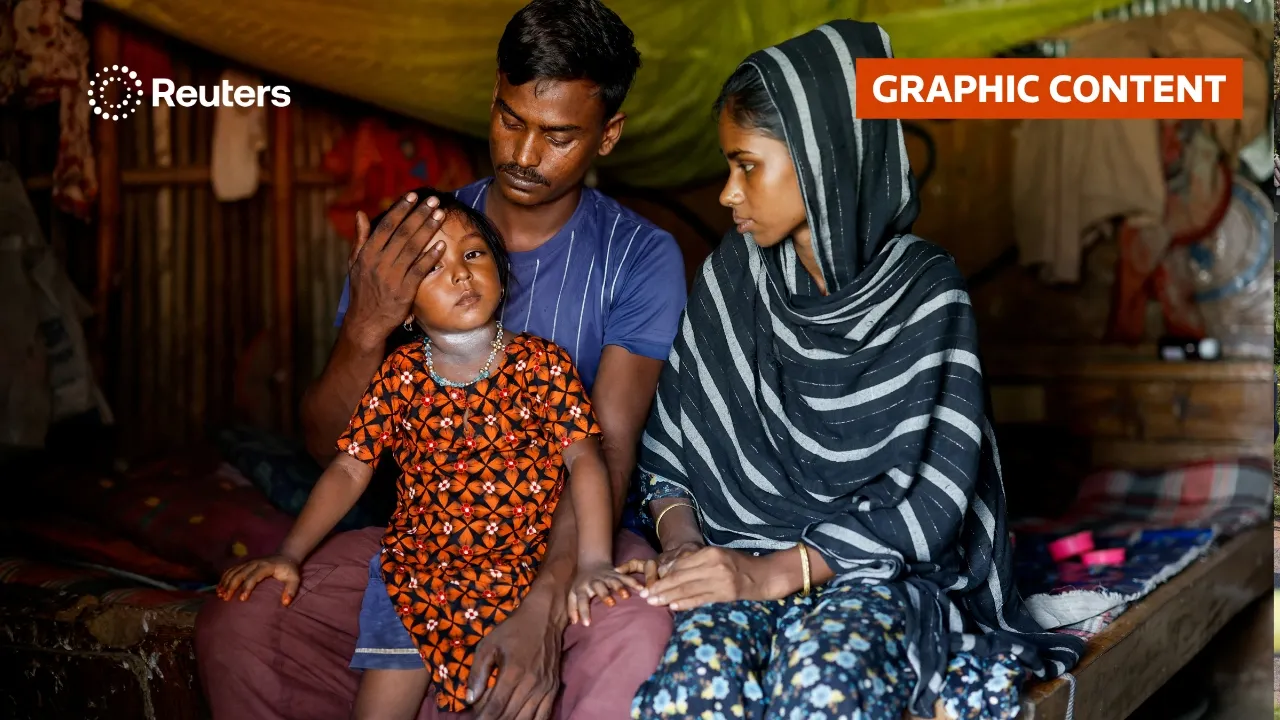

In the wake of a relentless measles outbreak across Bangladesh’s Sylhet division, authorities have recorded more than 1,100 fatalities, an overwhelming proportion of which are children under five. The tragedy starkly illustrates how a disease that is fundamentally preventable can exact a heavy toll when vaccination gaps persist.
Compounding the problem is a fragmented surveillance network that fails to capture the true scale of transmission, leaving policymakers to navigate a murky epidemiological picture. The resulting deficiency in herd immunity fuels a vicious cycle, allowing the virus to leap from one susceptible child to the next, effectively transforming isolated clusters into a sustained epidemic. While the government has deployed outreach teams to deliver immunisation drives, logistical hurdles—such as inaccessible terrain and limited health‑education resources—hamper their effectiveness. Meanwhile, agencies like UNICEF have mobilised emergency supplies, yet the broader crisis underscores systemic weaknesses in routine health delivery. Each additional death adds to the grim mortality statistics, eroding public trust and highlighting the urgent need for coordinated action.
Ultimately, the episode serves as a cautionary tale: without a resilient vaccination infrastructure, vigilant surveillance, and sustained community engagement, even a preventable disease can spiral into a national emergency, leaving families to mourn the loss of their youngest members.