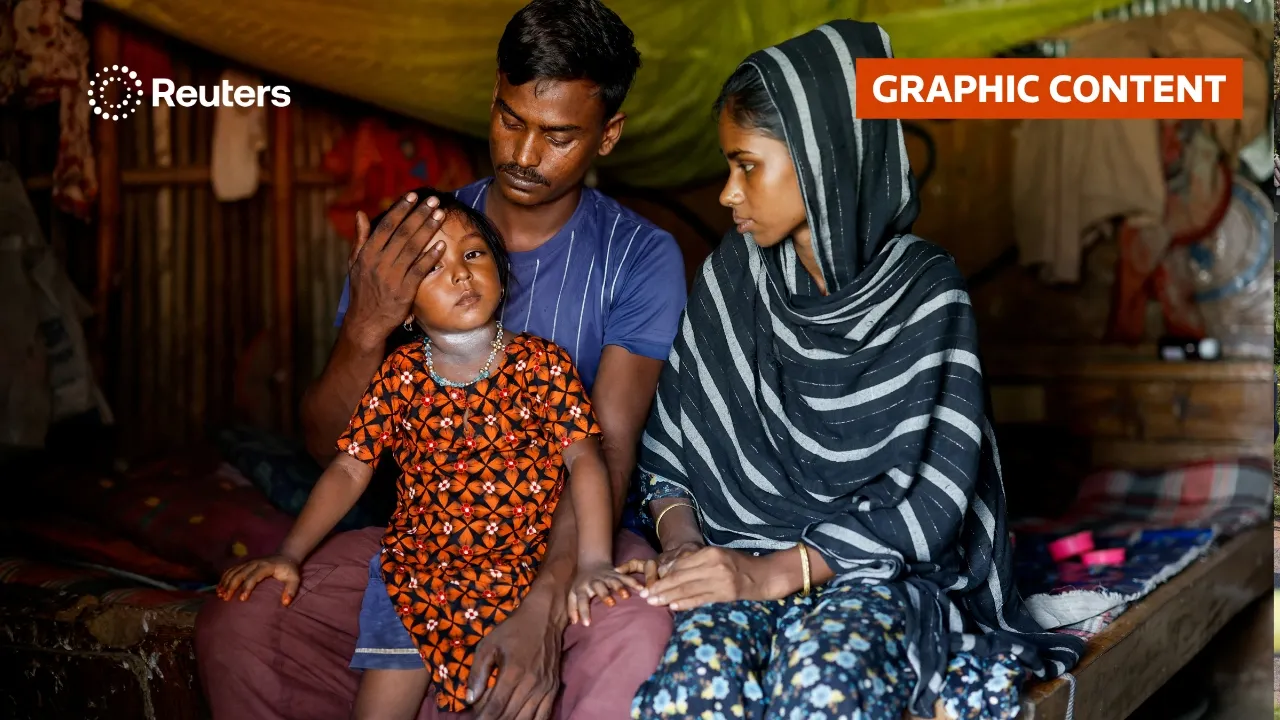

Bangladesh is currently grappling with a severe measles outbreak that has swept through the northeastern region of Sylhet. Health officials report more than 1,100 deaths, the majority being children under five years old, underscoring how a largely preventable disease can become deadly when vaccination coverage falters.
Weak surveillance systems mean that many cases go unrecorded, inflating the sense of uncertainty for policymakers. Without sufficient immunity in the population, the virus finds new hosts, turning isolated incidents into a full‑blown epidemic. The government’s outreach teams have struggled to reach remote villages where road conditions are poor and health awareness is low. International partners, notably UNICEF and the WHO, have dispatched medical kits and mobile clinics, yet the ongoing crisis reveals deep gaps in routine health services. As mortality climbs, experts warn that each missed vaccination opportunity adds to the tragic tally and erodes public confidence.
What emerges is a stark reminder that robust vaccination programs, accurate data collection, and community‑focused outreach are essential to halt a preventable tragedy. Strengthening these pillars can turn the tide against the current outbreak and protect future generations.