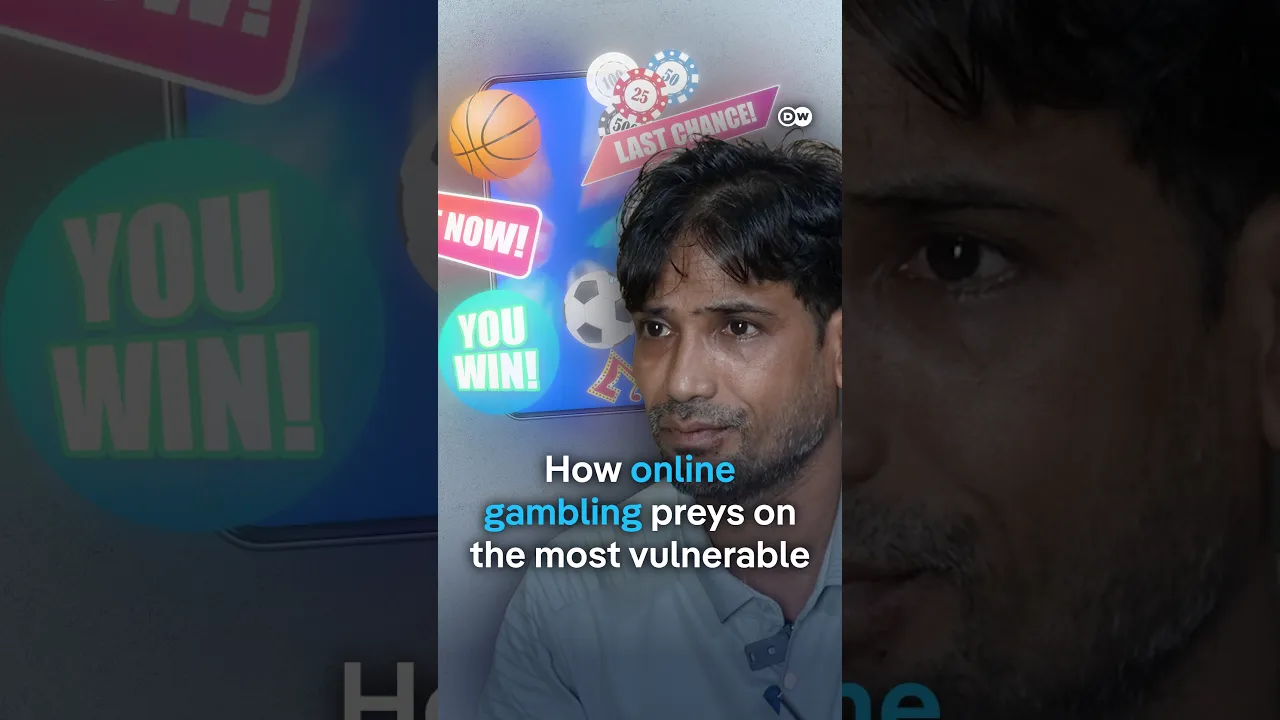

Think about how easily a simple smartphone app can take your life savings in a matter of minutes. Today, the global online gambling market generates over one hundred billion dollars every year. Powerful tech companies create clever algorithms to keep users engaged continuously, turning quick digital games into persistent habits.
The devastating impact of this digital trend is clearest in Rohingya refugee camps, where thousands of displaced people live with limited legal rights and few employment opportunities. Without access to regular jobs, young refugees spend hours online, making them prime targets for aggressive betting platforms. Many believe that a lucky digital wager will finally buy them a path out of poverty. Unfortunately, the mathematical odds heavily favor the app owners, causing users to suffer severe financial losses very quickly. To cover their losses, desperate players often turn to unregistered loan sharks who charge exorbitant interest rates. This endless cycle creates an overwhelming financial burden that spreads across entire households. Family relationships quickly deteriorate under the stress, leading to frequent domestic distress and domestic arguments. Furthermore, street gangs and organized syndicates have established a strong presence in the camps to enforce repayment through intimidation and violence. These criminal networks monopolize local cash flows, diverting desperately needed funds away from essential expenses like nutrition, clothing, and basic medical care. App developers continue to capitalize on this desperation, designing colorful mobile interfaces that feel more like harmless video games than dangerous financial traps.
Without strict government regulation and direct digital intervention, these aggressive betting platforms will continue to drain resources from vulnerable communities. Halting this digital harm requires urgent global action and better online protection for displaced populations.