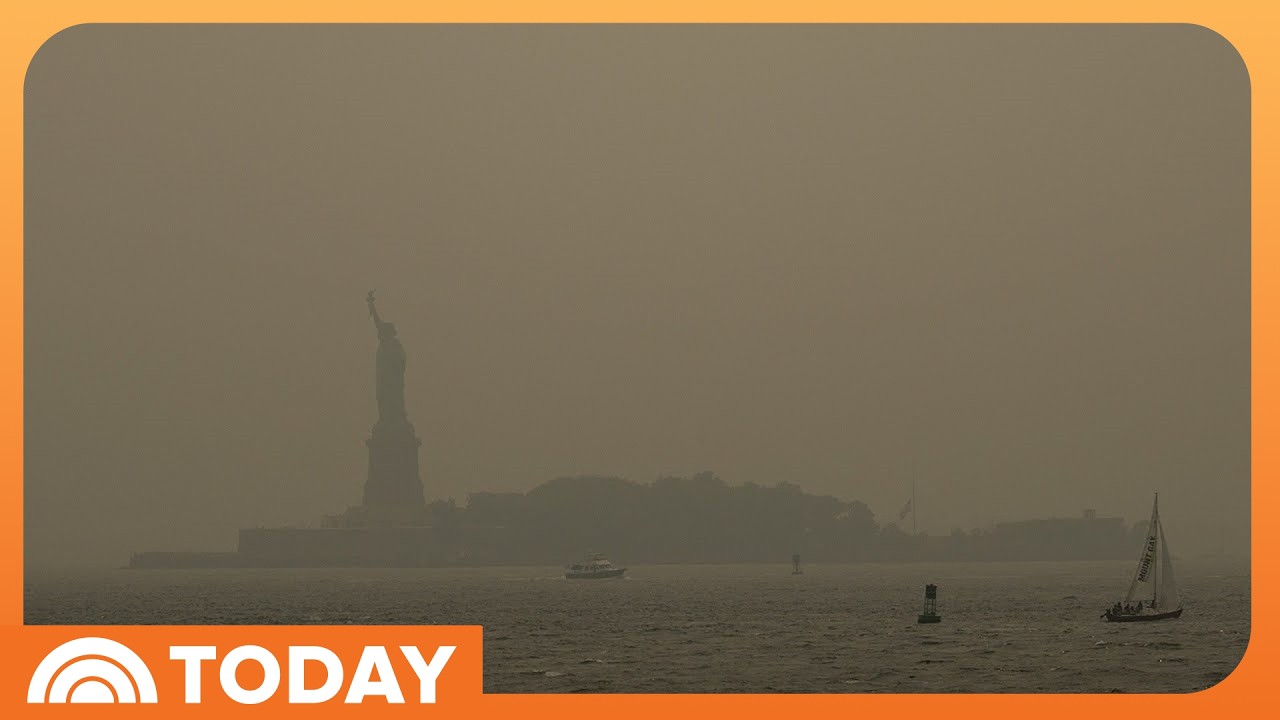

The current meteorological situation in the US is characterized by a complex interplay of atmospheric factors, leading to the development of severe summer weather patterns. The synoptic scale features a strong cold front pushing down from Canada, bringing with it a mass of cold air that is interacting with the warm, moist air from the Gulf of Mexico. This interaction is resulting in the formation of thunderstorms and heavy rain, which are in turn causing flash flooding and severe weather across the affected regions.
The mesoscale features of the storms are also playing a crucial role in the development of the severe weather. The formation of mesocyclones and supercells is leading to the production of large hail, damaging winds, and tornadoes. The storm dynamics are being influenced by the wind shear and instability in the atmosphere, which are allowing the storms to intensify and persist for extended periods of time.
The impacts of the severe weather are being felt across the US, with major disruptions to daily life, property damage, and loss of life. The emergency services are working to respond to the situation, with rescue teams and first responders working to evacuate people from flooded areas and provide aid to those in need. The government is also taking steps to mitigate the effects of the bad weather, with evacuation orders being issued and emergency shelters being set up.