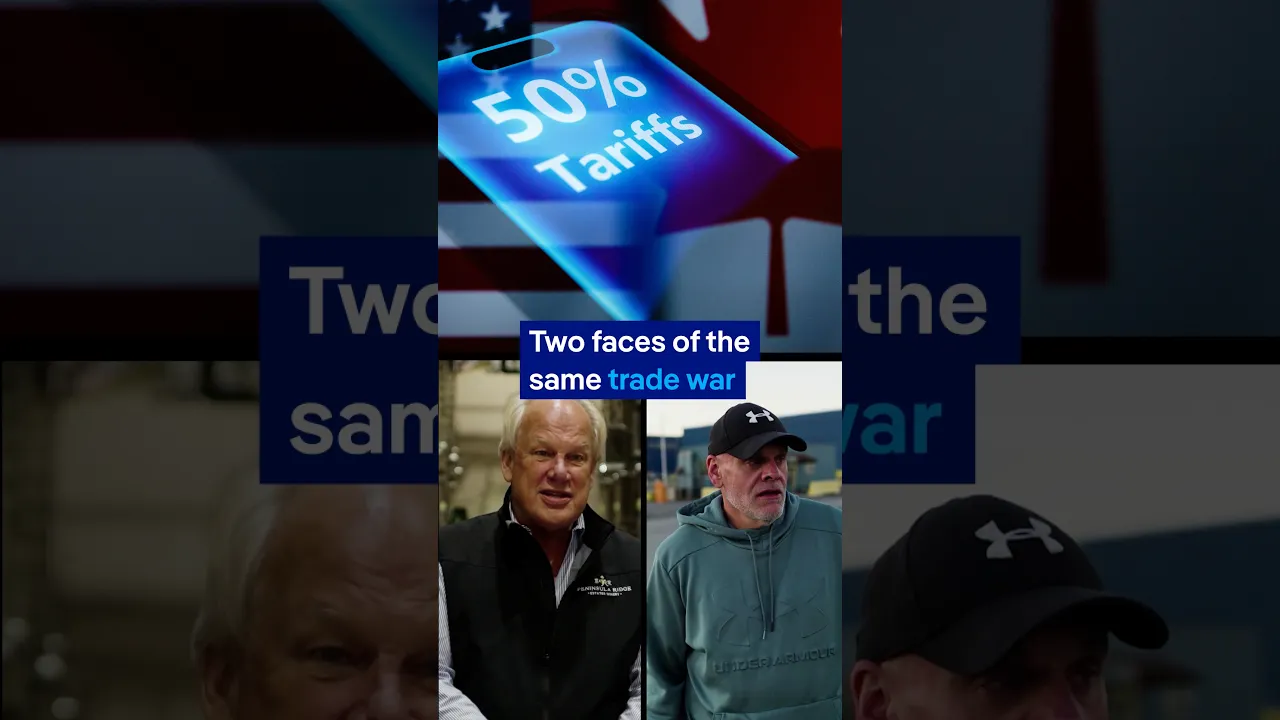

The resurgence of American protectionism has sent shockwaves through North America's tightly coupled economic architecture. What began as targeted regulatory posturing has rapidly devolved into an unscripted policy battle, exposing the structural fragility of cross-border commerce.
Across Ontario, this policy shift has unleashed an asymmetric economic upheaval. In heavy manufacturing strongholds like Hamilton, steel producers are weathering immediate financial losses as foreign levies decimate order books and threaten worker livelihood. Conversely, domestic consumer reprisal has created a windfall for niche regional enterprises. Patriotic purchasing patterns have widened the market chasm between foreign imports and local produce, allowing Niagara vineyards to capture unprecedented domestic market share. Yet, this localized boom cannot obscure the underlying market volatility. Decades of deep bilateral interdependence made seamless production lines the norm; now, tariff threats and diplomatic belligerence force rapid corporate recalibration. Supply chain managers must continuously re-evaluate sourcing strategies as political rhetoric translates into immediate operational costs.
Ultimately, grassroots consumer shifts provide only partial shelter from macro-level policy shifts. As corporate planners adapt to protracted trade uncertainty, the durable cross-border partnership faces its most rigorous test in modern history.