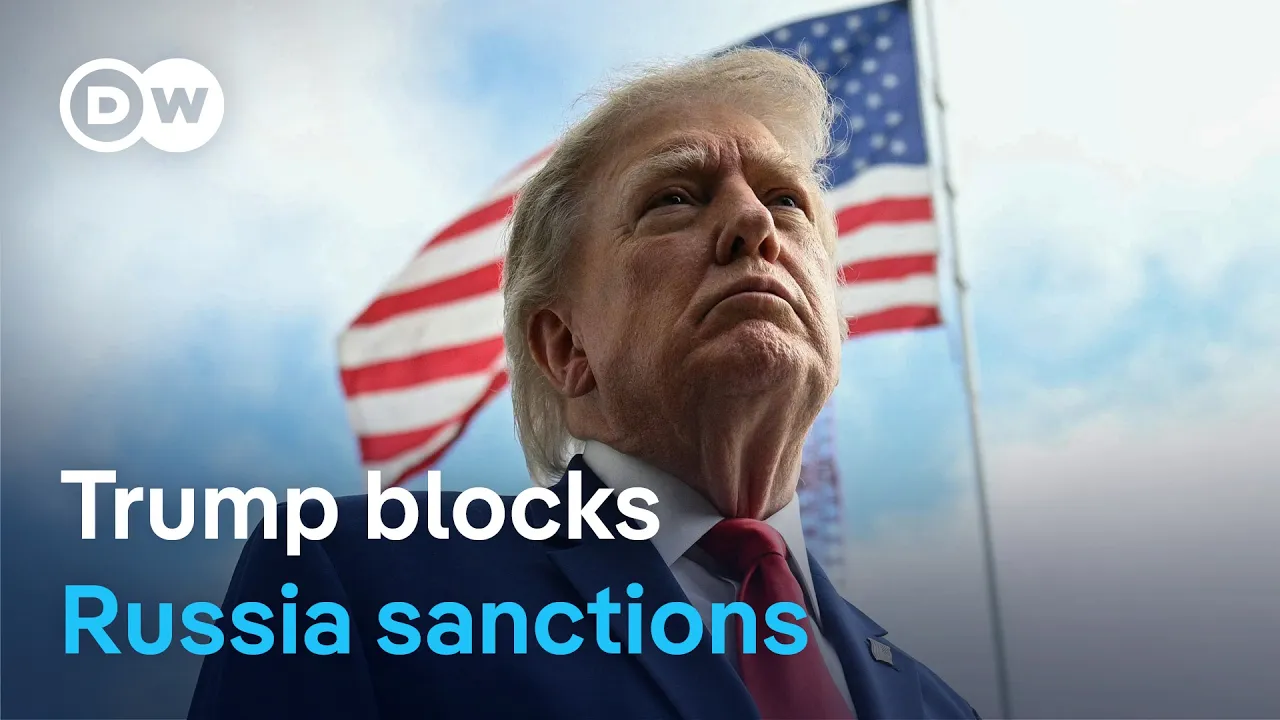

Executive foreign policy rarely operates in an ideological bubble, especially when immediate domestic economic considerations disrupt long-term international deterrence. A sudden administrative order threatened to derail sweeping sanctions against Moscow only hours before they were scheduled to take effect.
Crafted to impose punitive, retaliatory measures on Kremlin apparatchiks and Kremlin-connected magnates, the measure was shelved following an unexpected agreement to import Russian diesel. Framed by supporters as unapologetic economic pragmatism designed to insulate domestic drivers from energy spikes, the postponement sparked visceral consternation across Kyiv. Ukrainian diplomats warned that transactional deals reward aggression, while veteran defense strategists voiced deep skepticism regarding Washington's reliability. Granting what amounts to a unilateral reprieve gifts Moscow an unearned diplomatic triumph, risking moves that could further embolden adversarial tactics across the region. Consequently, European capitals face the unenviable dilemma of having to mend a widening transatlantic fracture while attempting to fund an autonomous defensive framework. This domestic political calculus illustrates how volatile deterrence becomes when commodity pricing dictates international strategy.
While Moscow quietly savors the waiver, Washington's traditional partners are left recalculating their strategic dependencies in an increasingly unpredictable geopolitical environment.