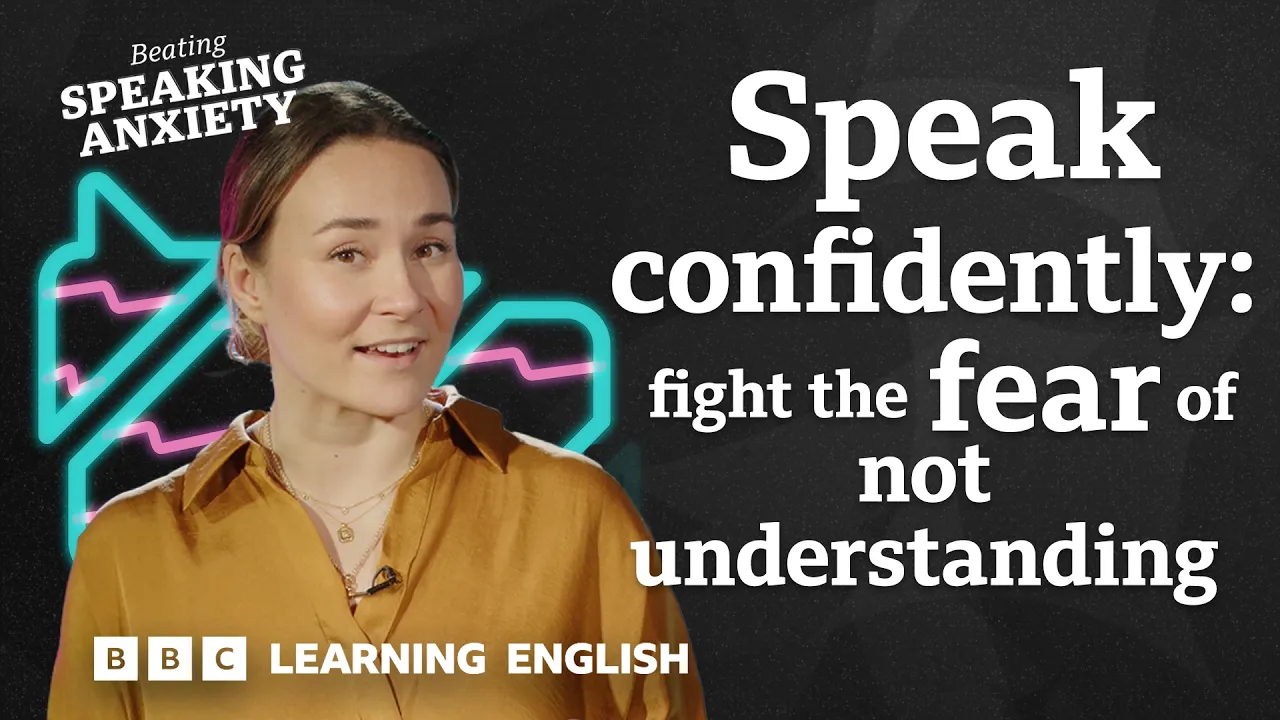

When we're worried about having conversations in English, we often think about how scary it is to speak, but we should also consider the importance of listening as a crucial component of effective communication, which involves not only perceiving sounds but also interpreting their meaning. So what happens when we can't understand the person we're speaking to? We need to practise listening in a controlled environment, such as a classroom, where the teacher speaks clearly and maybe slowly, using pedagogical methods to facilitate learning, and accommodating different learning styles. However, outside the classroom, people speak quickly and use idiomatic expressions that we may not have heard before, which can be perplexing for non-native speakers and require a high degree of cognitive processing.
We need to get used to different accents from all over the world, which can be a formidable task that requires a great deal of exposure and practice. One main issue is when students are not familiar with different accents, which can lead to misunderstandings and miscommunications, and can also affect their self-esteem and motivation. They are always exposed to one variety of English, and that tends to be the American English, due to the influence of films, music, and pop culture. It's important to hear lots of voices and lots of accents so you can be ready for anything, and to develop a more nuanced understanding of the language, including its pragmatic and discourse aspects.
We can learn to understand different accents and voices by practising regularly, using a variety of resources, such as podcasts, interviews, and talk shows, and by engaging in authentic conversations with native speakers. At BBC Learning English, we have lots of resources to help you improve your listening skills, such as our podcast series, Our Stories, where we tell real stories about our lives. By doing so, we can become more confident in our ability to understand different accents and voices, and improve our overall English language skills, including fluency, coherence, and accuracy, and develop a more sophisticated understanding of the language.