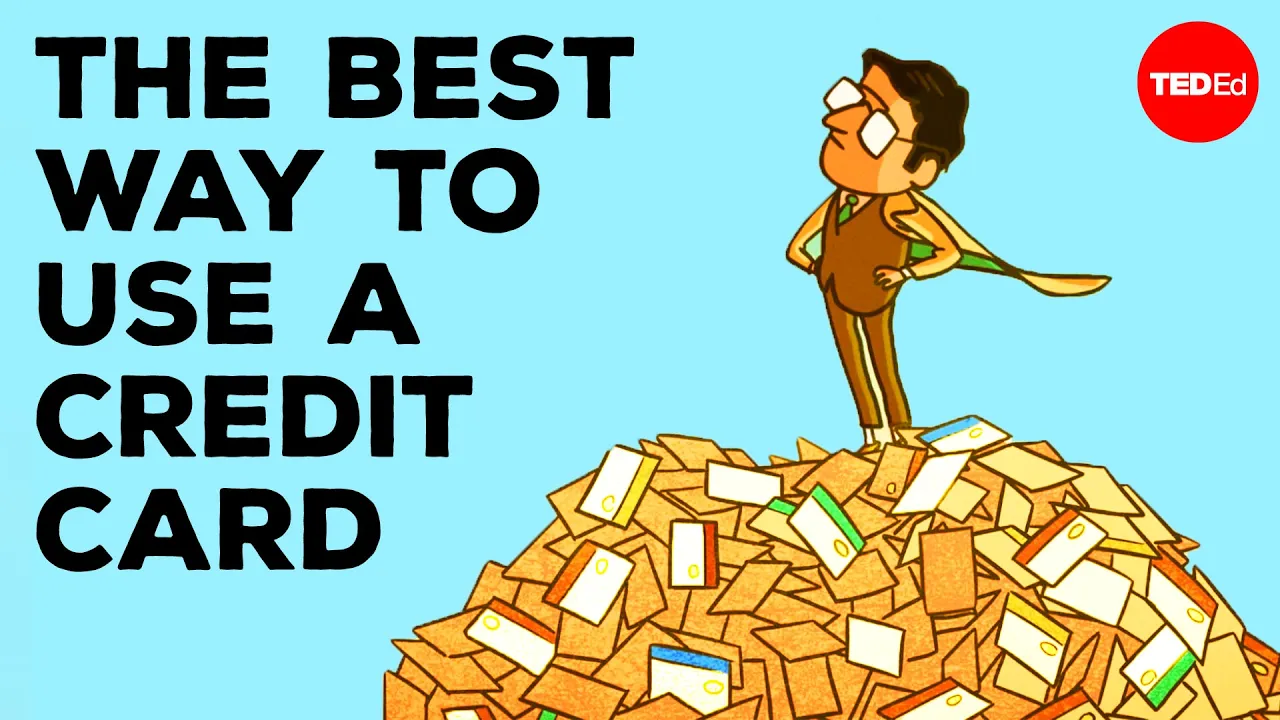

While plastic payment infrastructure underpins contemporary commerce, credit cards operate on structural mechanisms systematically calibrated to exploit consumer psychology. Far from being neutral utilities, these cards actively nudge users toward financial complacency. Recognizing these insidious structural traps is an absolute imperative for anyone striving to maintain genuine autonomy over their personal capital.
Credit card architecture relies on subtle cognitive friction reductions that make spending feel virtually painless until the bill arrives. Card companies entice customers with strident marketing campaigns highlighting revolving rewards, while quietly imposing astronomical annual percentage rates on carried balances. When cardholders succumb to profligate spending patterns and remit merely the minimum monthly requirement, compound interest mechanics systematically siphon away their hard-earned earnings. The trap deepens when users fall behind on payments, triggering draconian late fees and penalty interest rates that push vulnerable consumers to the edge of a financial precipice. Similarly, cash advances represent a remarkably unscrupulous feature, charging immediate upfront fee margins alongside interest rates that accrue from the precise moment of cash distribution. These charges mount through an almost imperceptible process, steadily compounding until a routine monthly budget collapses under the weight of accumulated secondary fees.
Navigating the modern financial landscape requires unwavering vigilance against predatory product features designed to monetize consumer neglect. Clearing card balances entirely prior to statement closing dates remains the only foolproof defense against systemic financial exploitation.