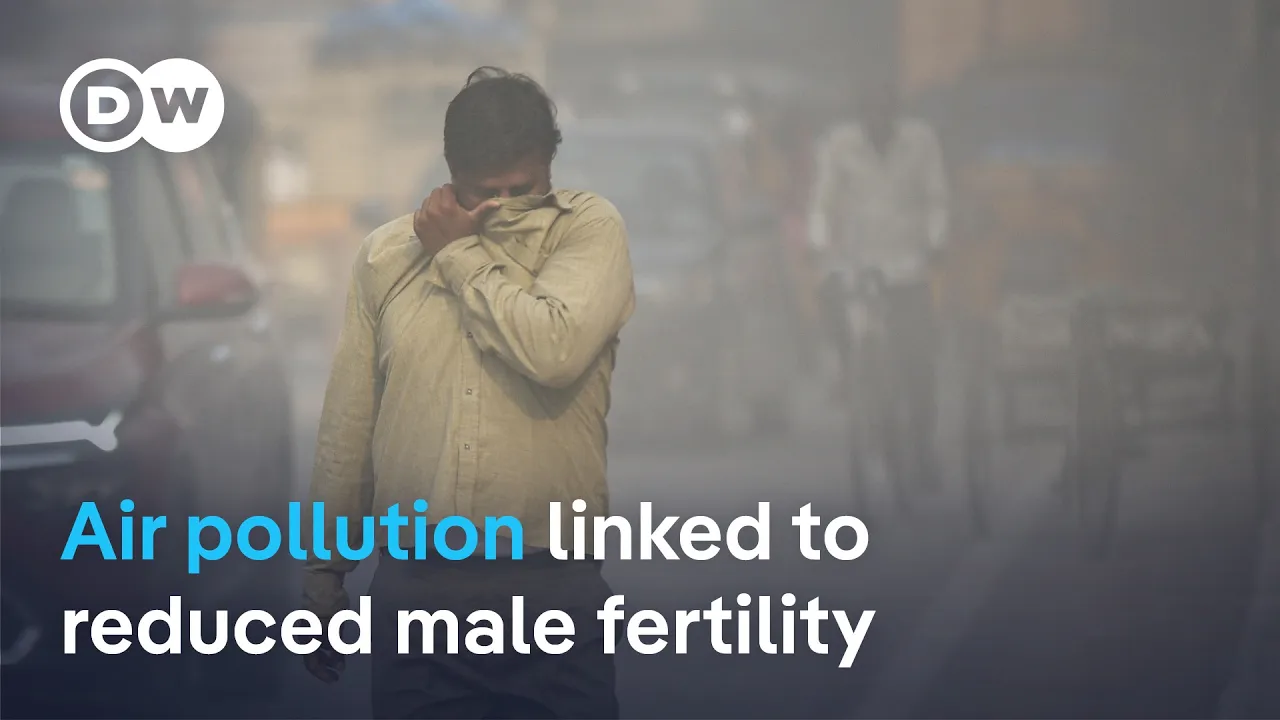

The impact of air pollution on male fertility is a complex and multifaceted issue. A recent study, presented at the European Society of Human Reproduction and Embryology meeting in London, has shed new light on this issue, finding that exposure to common air pollutants during sperm development is linked to subtle DNA changes that can affect gene activity. These changes can affect fertility, adding to concerns about air pollution's impact on reproductive health.
Professor Richard Lee, a reproductive biology expert at the University of Nottingham, emphasized that the study's findings are significant and have important implications for our understanding of the mechanisms behind air pollution's impact on fertility. He noted that ozone and nitrogen dioxide showed the strongest associations with DNA changes, and highlighted the importance of understanding the long-term consequences of these changes for fertility.
Professor Lee also emphasized that the best way to stay healthy is to lead a healthy lifestyle, which includes avoiding exposures to excess amounts of pollutants. He suggested that face masks and trips out of the city can help reduce exposure to pollutants, but noted that these are not foolproof solutions and that more research is needed to fully understand the impact of air pollution on fertility.