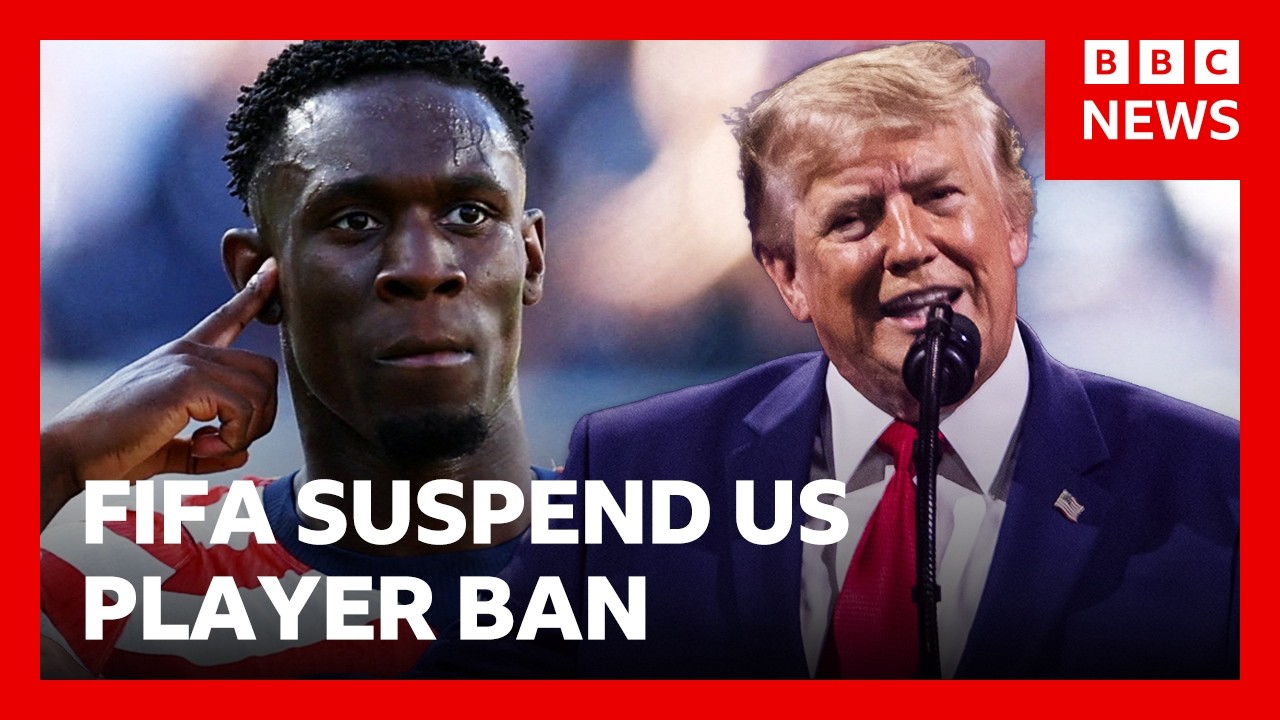

The recent intervention of President Trump in the FIFA disciplinary process has raised concerns about the independence of the organisation. The president's phone call to the FIFA president, Gianni Infantino, has been seen as an attempt to influence the decision to give a red card to the US soccer player, Folarin Balogun. The context of the situation is complex, with the FIFA president having previously curried favour with President Trump by giving him gifts and honours, such as a peace prize.
The implications of this situation are far-reaching, with some analysts suggesting that it could undermine the credibility of the FIFA organisation. The politicisation of the soccer tournament has also been criticised, with some arguing that it is not appropriate for the president to be involved in the decision-making process. The outcome of the situation is still uncertain, but one thing is clear: the involvement of President Trump has made the situation more complicated and has raised questions about the integrity of the FIFA organisation.
The situation has also highlighted the complexities of the relationship between politics and sport. The intersection of these two domains can be problematic, with conflicts of interest and influences that can compromise the integrity of the sporting organisation. The challenge for FIFA is to maintain its independence and credibility in the face of political pressure and influence.