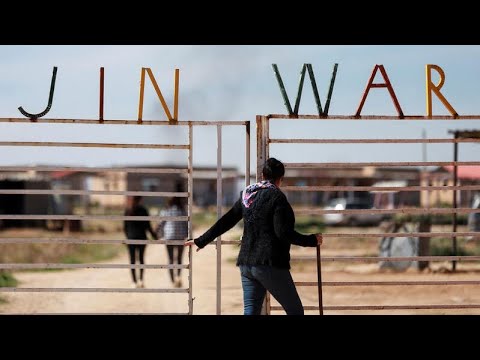

Tucked into the plains of northeast Syria, Jinwar defies almost every expectation you might hold about a region ravaged by a brutal civil war. Here, women who were once displaced by violence and patriarchal oppression have carved out an ecological sanctuary entirely on their own terms. It is an extraordinary experiment in collective healing and self-determination.
Walk through the village dust, and you will see how practical necessity merges with ecological autonomy. Widows of war and survivors of domestic abuse constructed these earth-brick houses by hand, using traditional mud-brick techniques that stay cool during searing desert summers. Daily life demands rigor and shared responsibility. The women cultivate wheat fields, operate a communal bakery, and run a botanical dispensary based on traditional plant medicine. Rather than relying on external aid handouts, the community operates on egalitarian principles where chores, childcare, and leadership rotate among residents. You notice how the absence of patriarchal control allows these women to rediscover their dignity. Mothers who once feared for their children's safety now watch them study in an on-site school that champions equality and peace. The settlement also maintains an open dialogue with nearby villages, selling surplus produce at fair prices and demonstrating that women can manage agriculture and commerce without male guardianship. Every decision runs through an assembly, proving that grassroots governance can flourish even against the backdrop of regional instability.
By transforming raw earth into a peaceful haven, these women provide a powerful critique of traditional wartime victimhood. Jinwar reminds us that true reconstruction begins when affected people gain the freedom to reclaim their own destinies.