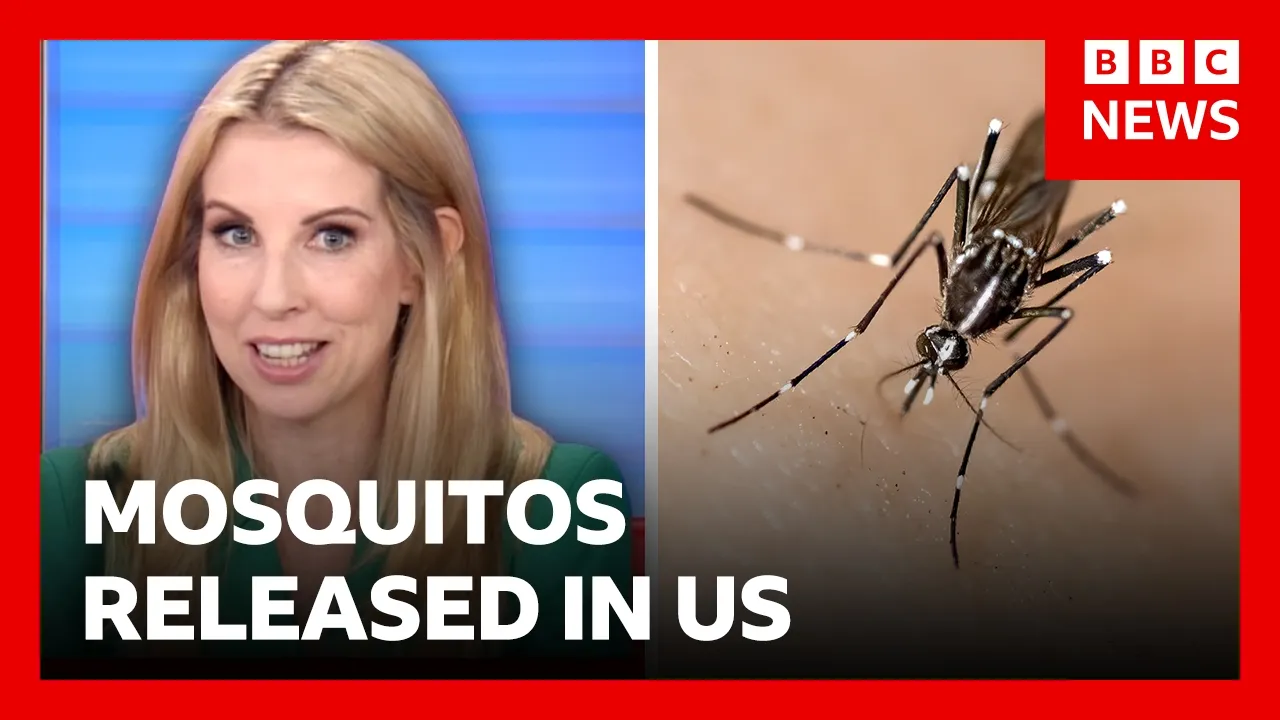

The release of hundreds of thousands of mosquitoes in Washington, D.C. may seem like a surprising move, but it's actually a clever strategy to reduce the local mosquito population. The mosquitoes being released are male and have been infected with a bacteria called Wolbachia, which renders them unable to reproduce. When these male mosquitoes mate with female mosquitoes, they cause the females to become infertile, effectively reducing the population over time. This method, known as the sterile insect technique, has been used in other countries with great success, including Singapore, where it has led to an 80-90% reduction in the mosquito population.
The use of this technique is particularly important in the context of climate change, which is allowing mosquitoes to thrive in new areas and spread diseases like dengue fever. By releasing male mosquitoes that are unable to reproduce, the population of mosquitoes can be reduced, making it safer for people to be outside and reducing the risk of diseases. The bacteria used in this technique is also safe for the environment and does not harm other animals or humans. The mosquitoes that are released are male, so they do not bite humans and do not pose a risk to human health.
The release of these mosquitoes is a significant step in the fight against mosquito-borne diseases. By reducing the population of mosquitoes, we can reduce the risk of diseases like dengue fever and make it safer for people to be outside. The use of this technique is also an important example of how science and technology can be used to solve real-world problems and improve human health. The mosquitoes that are released are part of a larger effort to control the mosquito population and reduce the risk of diseases. By working together, we can make a significant impact and create a healthier and safer environment for everyone.